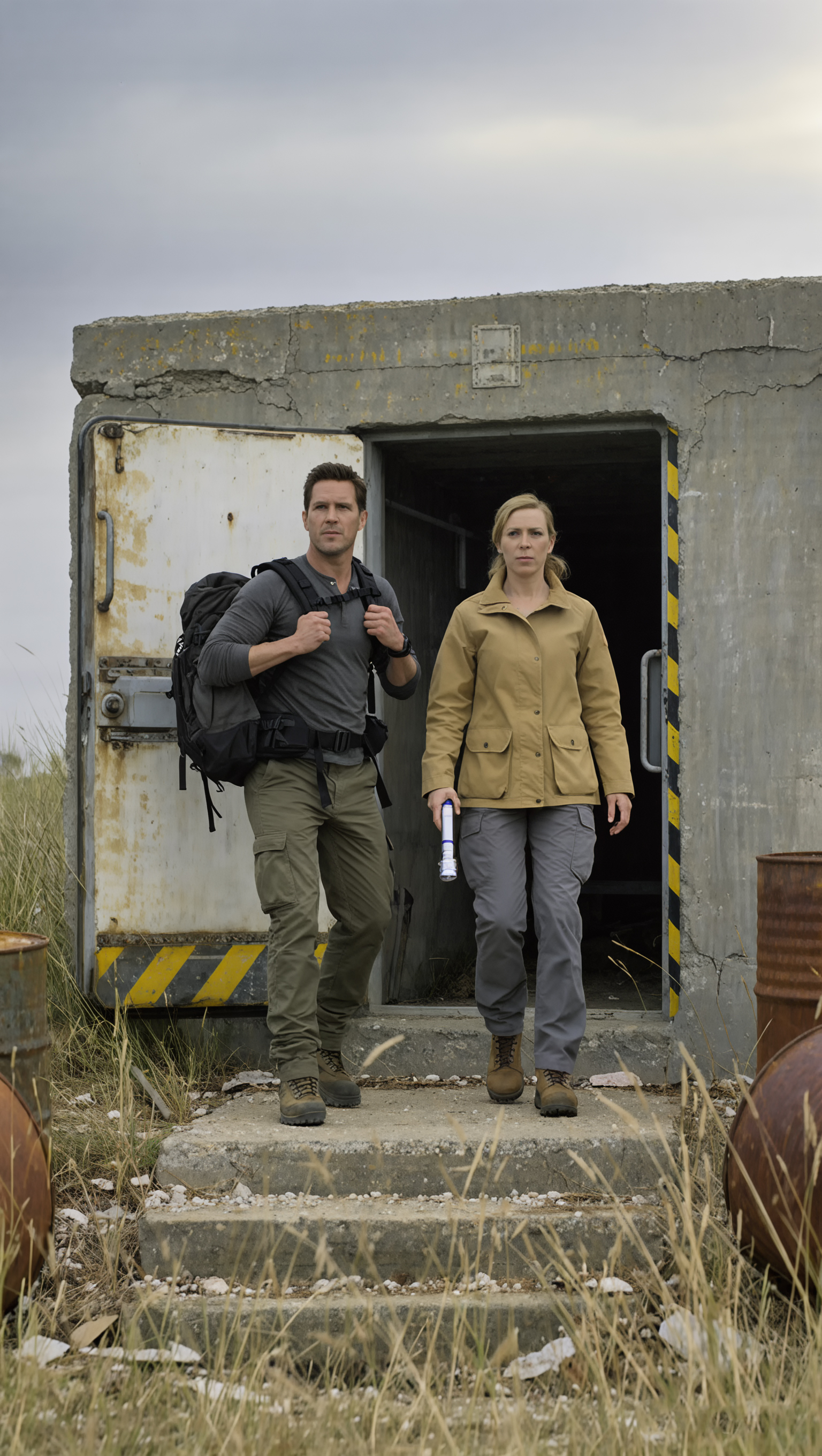
Best Locations for Doomsday Bunkers.
For doomsday preppers, choosing the right location for a bunker or off-grid living is critical for long-term survival. The ideal spot should offer security, self-sufficiency, and protection from potential disasters (natural, economic, or societal).
Key Factors for Choosing a Bunker/Off-Grid Location
1. Low Population Density – Fewer people = less competition for resources and lower risk of conflict.
2. Climate & Natural Resources – Access to water, fertile soil, and a temperate climate for farming.
3. Geopolitical Stability – Avoid areas prone to war, civil unrest, or heavy government/military presence.
4. Natural Disaster Risk – Avoid flood zones, earthquake faults, hurricane paths, and wildfire-prone areas.
5. Defensibility – Remote but strategically secure terrain (e.g., hills, forests, or hidden valleys).
6. Legal & Tax Benefits – Some states/countries have favorable laws for off-grid living (e.g., no building codes, low taxes)
Best U.S. Locations for Bunkers & Off-Grid Living
1. Rocky Mountains (Montana, Idaho, Wyoming)
• Pros: Remote, defensible terrain, abundant wildlife, freshwater sources.
• Cons: Harsh winters, limited growing season.
• Best For: Long-term isolation, security.
2. Ozark Mountains (Missouri, Arkansas)
• Pros: Low population, dense forests, caves for natural bunkers.
• Cons: Humid summers, some flood risks.
• Best For: Affordable land, hidden living.
3. Great Plains (Dakotas, Nebraska, Kansas)
• Pros: Fertile soil, low population, good for farming.
• Cons: Few natural barriers, extreme weather (tornadoes).
• Best For: Self-sufficient homesteading.
4. Appalachian Region (West Virginia, Tennessee)
• Pros: Secluded hollows, water sources, mild climate.
• Cons: Poor infrastructure in some areas.
• Best For: Low-cost survival retreats.
5. Desert Southwest (Arizona, New Mexico, West Texas)
• Pros: Underground homes (Earthships), low population.
• Cons: Extreme heat, water scarcity.
• Best For: Solar power, hidden bunkers.
6. Pacific Northwest (Eastern Washington, Oregon)
• Pros: Mild climate, abundant water, dense forests.
• Cons: High rainfall, potential volcanic activity.
• Best For: Sustainable off-grid communities.
7. Alaska (Remote Interior)
• Pros: Extreme isolation, wildlife, low government oversight.
• Cons: Extreme cold, difficult logistics.
• Best For: Ultimate bug-out location (if prepared).
The best location depends on your threat model (economic collapse, nuclear war, pandemics, etc.). Remote mountainous regions (like the Rockies or Ozarks) are top U.S. picks, while international options like New Zealand offer extra security. Always prioritize water, food, and defensibility when selecting land.
Visit www.epcasabyowner.com and find your dream home or bunker in El Paso, TX.