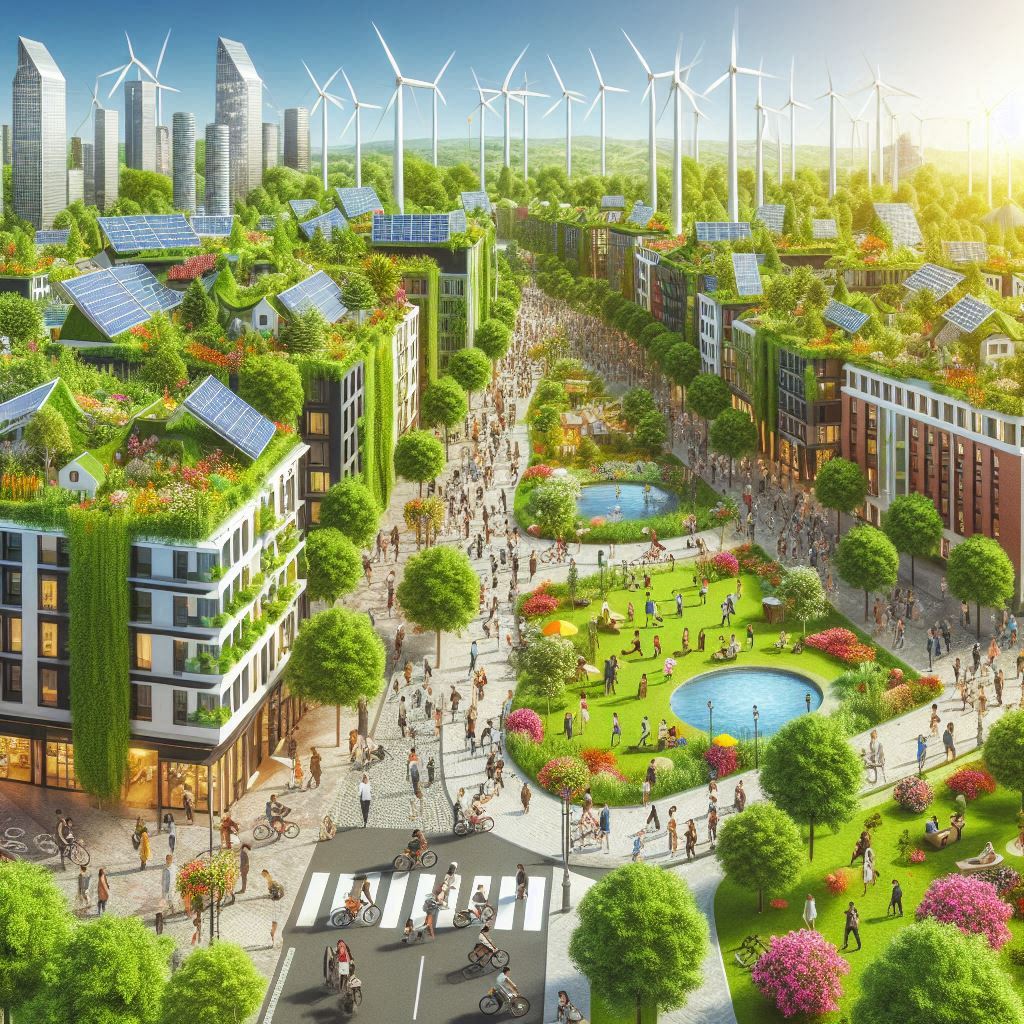
Investing in Climate-Resilient Real Estate Opportunities.
Investing in climate-resilient real estate is becoming increasingly important as climate change intensifies risks like flooding, wildfires, hurricanes, and extreme heat. Cities that prioritize resilience, sustainability, and adaptive infrastructure offer strong long-term investment opportunities. Here’s a breakdown of the key aspects:
1. What Makes a City Climate-Resilient?
Climate-resilient cities typically have:
Strong infrastructure (flood barriers, stormwater management, wildfire mitigation).
Proactive urban planning (zoning laws that restrict high-risk development).
Renewable energy adoption (solar, wind, and grid resilience).
Water conservation & management (drought-resistant policies).
Green building codes (energy efficiency, elevated construction in flood zones).
2. Top Locations for Climate-Resilient Real Estate
Some cities are better positioned due to geography, policy, and investment in adaptation:
U.S.:
Minneapolis, MN (low climate risk, strong infrastructure).
Denver, CO (elevation protects from sea-level rise, proactive water policies).
Portland, OR (sustainable urban planning, low wildfire risk).
Buffalo, NY (cool climate, freshwater access, resilient infrastructure).
Chicago, IL (climate-adaptive policies, strong economy).
International:
Toronto, Canada (stable climate, strong infrastructure).
Rotterdam, Netherlands (flood-resistant architecture).
Singapore (advanced climate adaptation tech).
Melbourne, Australia (water management strategies).
3. Types of Climate-Resilient Real Estate Investments
Elevated & Flood-Proof Housing (e.g., stilt homes in coastal areas).
Energy-Efficient Buildings (LEED-certified, solar-powered homes).
Inland & Higher-Ground Properties (away from floodplains and coastlines).
Mixed-Use Developments (walkable communities reduce emissions).
Water-Secure Properties (in regions with stable freshwater supply).
4. Risks to Avoid
Coastal & Low-Lying Properties (Miami, Houston, New Orleans).
Wildfire-Prone Areas (parts of California, Australia, and Mediterranean regions).
Drought-Stricken Regions (Southwestern U.S., North Africa).
Cities with Weak Infrastructure (poor drainage, outdated building codes).
5. Future Trends
Government Incentives: Tax breaks for resilient construction.
Insurance Shifts: Rising premiums in high-risk areas may push demand to safer zones.
Tech Integration: Smart homes with climate adaptation features.
Investing in climate-resilient cities reduces long-term risk while aligning with sustainability trends. Focus on cities with strong infrastructure, smart policies, and lower exposure to extreme weather. Visit www.epcasabyowner.com and find your dream home in El Paso, TX.