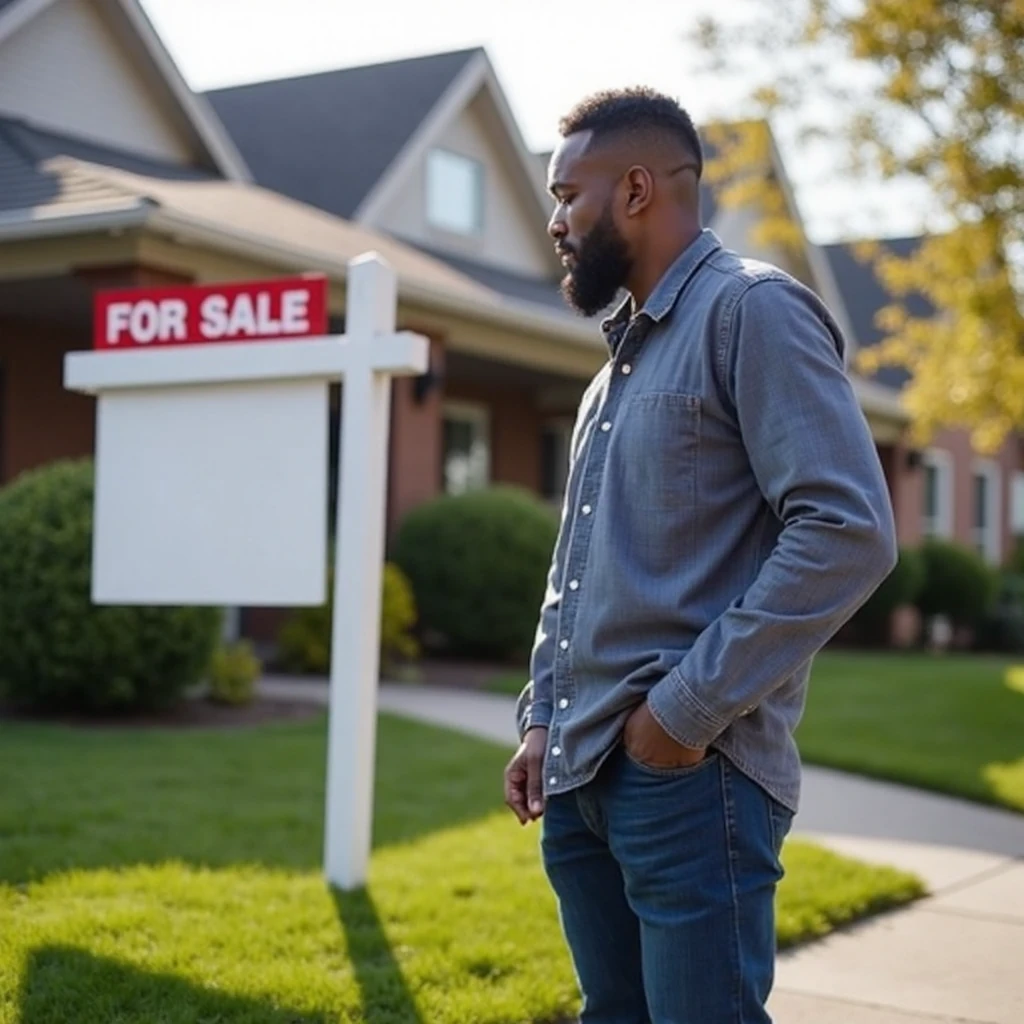
How to Test Drive a Neighborhood Before Buying.
"Test driving" a neighborhood before buying a home is a smart way to ensure it’s the right fit for your lifestyle. Here’s how to do it effectively:
1. Visit at Different Times & Days
• Weekdays vs. Weekends: Check traffic patterns, noise levels, and neighborhood activity.
• Day vs. Night: Safety and ambiance can change after dark—see how comfortable you feel.
• Rush Hour: Test commute times to work or key locations.
2. Explore Like a Local
• Walk or Bike Around: Get a feel for sidewalks, parks, and overall walkability.
• Visit Local Spots: Try coffee shops, grocery stores, and restaurants to gauge convenience and vibe.
• Check Noise Levels: Listen for trains, highways, or loud neighbors.
3. Talk to Residents
• Strike Up Conversations: Ask locals about safety, community events, and pros/cons.
• Join Community Groups: Facebook, Nextdoor, or Reddit can reveal neighborhood dynamics.
• Ask About Future Developments: New construction or zoning changes could impact your experience.
4. Test Your Commute
• Drive or Take Public Transit: Do a trial run to work, school, or frequent destinations.
• Check Parking Availability: If street parking is limited, see how easy it is to find a spot.
5. Check Safety & Services
• Crime Maps: Use sites like NeighborhoodScout or local police reports.
• Emergency Services: Note how close hospitals, fire stations, and police are.
• Cell Service & Internet: Test signal strength and research ISP options.
6. Spend Extended Time There
• Rent Short-Term: Stay in an Airbnb or hotel for a few days to live like a resident.
• Visit During Different Seasons: If possible, see how weather affects the area (flooding, snow, etc.).
7. Evaluate Schools & Amenities
• School Quality: Even if you don’t have kids, good schools boost resale value.
• Parks & Recreation: Are there green spaces, gyms, or community centers?
• Public Transport: Check bus/train routes if you rely on them.
8. Observe the Little Things
• Neighbor Dynamics: Are homes well-kept? Are people friendly?
• Wildlife & Pests: Check for issues like mosquitoes, rodents, or noisy wildlife.
• Smells & Pollution: Factories, landfills, or farms nearby could be a concern.
9. Research Future Plans
• City Development Projects: Upcoming infrastructure (new roads, malls) can affect livability and property values.
• Zoning Laws: Ensure no unwanted changes (e.g., a future highway nearby).
10. Trust Your Gut
• Do you feel at home? Can you picture your daily life there?
By thoroughly "test driving" the neighborhood, you’ll avoid surprises and make a confident decision.
Visit www.epcasabyowner.com and find your dream home in El Paso, TX.
El Paso, TX Homes For Sale
El Paso, TX Real Estate News & Market Trends
You’ll find our blog to be a wealth of information, covering everything from local El Paso, TX Real Estate market statistics and home values to community happenings. That’s because we care about the El Paso community and want to help you find your place in it by searching homes for sale in El Paso, TX and surrounding area. Please reach out if you have any questions at all. We’d love to talk with you!
https://www.simplifyingthemarket.com/en/feed?a=1000036167-323fd8ebb741ba20bf1b1485589ba2f4
How to Test Drive a Neighborhood Before Buying
Pros and Cons of Buying a House Cash
Pros and Cons of Buying a House Cash.
Buying a house with cash has both advantages and disadvantages. Here’s a breakdown of the key pros and cons:
Pros of Buying a House with Cash
1. No Mortgage Payments – You avoid monthly mortgage payments, interest charges, and loan fees, saving thousands (or even hundreds of thousands) over time.
2. Stronger Negotiating Power – Sellers often prefer cash buyers because the deal is faster and more certain. You may get a discount (5-10% in some cases).
3. Lower Closing Costs – Without a mortgage, you avoid loan origination fees, appraisal fees, and other lender-related expenses.
4. Faster Closing Process – Cash purchases can close in as little as a week, compared to 30-60 days with a mortgage.
5. Less Risk in a Down Market – If home prices drop, you won’t be underwater on a mortgage.
6. No Interest Rate Risk – Rising interest rates won’t affect you.
7. Peace of Mind – Owning your home outright means no debt and no risk of foreclosure due to missed payments.
Cons of Buying a House with Cash
1. Tied-Up Capital – Your money is locked into real estate, which is illiquid. If you need cash later, selling or refinancing takes time.
2. Opportunity Cost – The money used for a cash purchase could have been invested elsewhere (e.g., stocks, bonds) for potentially higher returns.
3. No Mortgage Tax Deduction – In some countries (like the U.S.), mortgage interest is tax-deductible, which cash buyers miss out on.
4. Less Leverage – Real estate investors often use mortgages to buy multiple properties, increasing potential returns. Paying cash limits this strategy.
5. Possible Lower Liquidity – If an emergency arises, accessing home equity requires a HELOC or refinancing, which takes time.
6. No Credit Building – Paying cash doesn’t help improve your credit score, unlike making consistent mortgage payments.
When Does Paying Cash Make Sense?
• If you have ample savings and want a stress-free homeownership experience.
• In competitive markets, cash offers win bidding wars.
• If you’re retired or financially independent and prefer no debt.
When Should You Consider a Mortgage Instead?
• If you can invest the cash elsewhere for higher returns.
• If you want to keep liquidity for emergencies or other investments.
• If mortgage rates are low, it makes borrowing cheap.
Paying cash is great for security and savings, but may not always be the best financial move if you could earn more by investing the money elsewhere. It depends on your financial goals, liquidity needs, and market conditions. Visit www.epcasabyowner.com and find your dream home in El Paso, TX.
Handling Under-Appraised Home Sale Issues

Neighborhood Gossip on Home Sales
Impact of Neighborhood Gossip on Home Sales.
Neighborhood gossip can significantly impact a home sale, both positively and negatively, depending on the nature of the rumors and how they’re managed.
Negative Impacts:
1. Deterring Buyers – If gossip spreads about problems with the home (e.g., structural issues, bad neighbors, or even superstitious rumors like a "haunted" reputation), buyers may hesitate or withdraw offers.
2. Lower Perceived Value – Negative talk about crime, poor schools, or a declining neighborhood can make buyers less willing to pay top dollar.
3. Slow Sale Process – If gossip creates doubt, buyers may take longer to decide or demand more inspections, delaying the sale.
4. Scaring Off Investors – Real estate investors avoid areas with reputational issues, reducing competition and driving down prices.
Positive Impacts (Less Common):
1. Generating Buzz – If the gossip is positive (e.g., "a celebrity used to live here" or "this street is the most desirable"), it could attract more interest.
2. Creating Urgency – Rumors about multiple offers or high demand might push buyers to act faster.
How to Mitigate Negative Gossip:
• Be Transparent – Disclose known issues upfront to prevent speculation.
• Control the Narrative – Work with your real estate agent to highlight the home’s best features and address concerns professionally.
• Engage with the Community – Neighbors who like the seller may help dispel false rumors.
• Price Strategically – If gossip has hurt perceived value, pricing competitively can still attract serious buyers.
Gossip can shape buyer perceptions, so it’s important to address misinformation early and present the home in the best possible light. A skilled Casa By Owner real estate agent can help manage these challenges effectively.
Visit www.epcasabyowner.com and find your dream home in El Paso, TX.
Selling Home with Tenants
Selling Home with Tenants: Legal and Ethical Guide.
Selling a home with tenants involves navigating both legal obligations and ethical considerations to ensure a smooth transaction while respecting tenants' rights. Here’s a breakdown of key factors:
1. Legal Considerations
a) Lease Terms & Tenant Rights
• Fixed-Term Lease: If tenants have a lease, the new owner must honor it until expiration (unless local laws allow early termination with proper notice).
• Month-to-Month Tenancy: You can typically terminate with proper notice (usually 30–60 days, depending on state/country laws).
• Local Laws: Some jurisdictions (e.g., rent-controlled cities like San Francisco or New York) have strict rules about evictions and lease transfers.
b) Disclosure Requirements
• Informing Buyers: You must disclose that the property is tenant-occupied.
• Tenant’s Right to Know: Some states require notifying tenants of the sale.
c) Security Deposits
• The seller must transfer security deposits (plus interest, if applicable) to the buyer or return them to tenants per local laws.
d) Eviction Rules
• No "Self-Help" Evictions: Lockouts or utility shutoffs are illegal.
• Valid Reasons for Eviction: Nonpayment, lease violations, or owner move-in (where allowed).
• Cash-for-Keys: Offering money for voluntary move-out can avoid legal disputes.
2. Ethical Considerations
a) Transparency with Tenants
• Notify tenants early about the sale.
• Explain their rights and options (e.g., lease continuation or relocation assistance).
b) Minimizing Disruption
• Schedule showings with proper notice (usually 24–48 hours).
• Offer flexibility (e.g., reduced rent for showings).
c) Fair Treatment
• Avoid pressuring tenants to leave unlawfully.
• Consider compensating tenants for inconvenience (e.g., covering moving costs).
3. Selling Strategies
• Sell to an Investor: Investors may prefer keeping tenants.
• Wait for Lease End: Simplifies the sale if tenants are month-to-month.
• Offer Tenant Buyout: If they agree to leave early, ensure it’s voluntary and documented.
4. Final Steps
• Consult a Real Estate Attorney: Ensure compliance with state/local laws.
• Review Lease Agreements: Know tenant rights before listing.
• Work with a Casa By Owner Realtor experienced in Tenant-Occupied Sales: They can navigate showings and negotiations.
By balancing legal compliance and respect for tenants, you can sell smoothly while maintaining a positive reputation and avoiding lawsuits.
Visit www.epcasabyowner.com and find your dream home in El Paso, TX.
How to Handle Lowball Offers Without Offending Buyers
 For a slightly low offer: For an extreme lowball:
Pros and Cons of Selling Furnished Homes
Pros and Cons of Selling Furnished Homes.
Selling your home furnished can be a strategic decision depending on your target buyer and the local real estate market. Here’s a breakdown of the pros and cons to consider:
Pros of Selling Your Home Furnished
1. Higher Perceived Value – A well-staged, furnished home can look more inviting and move-in ready, potentially justifying a higher asking price.
2. Faster Sale – Buyers who want a turnkey property (e.g., investors, vacation home buyers, or relocating professionals) may be more inclined to make an offer quickly.
3. Appeals to Specific Buyers – Ideal for:
o Vacation/second-home markets (e.g., Airbnb buyers).
o Luxury homes where high-end furniture enhances appeal.
o Corporate relocations where buyers want convenience.
4. Tax Benefits (Possible) – In some cases, furniture can be depreciated or included in the sale for tax advantages (consult a tax professional).
5. Avoid Moving Costs – If you don’t want to move or store furniture, selling it with the home eliminates hassle.
Cons of Selling Your Home Furnished
1. Narrows Buyer Pool – Some buyers want their own furniture or may see your style as unappealing.
2. Pricing Challenges – Buyers may undervalue your furniture, leading to negotiation difficulties.
3. Higher Expectations – Furnished homes must be impeccably staged; worn or mismatched furniture can hurt the sale.
4. Emotional Attachment Issues – If certain pieces are sentimental, selling them with the home may be difficult.
5. Potential for Lower ROI – Unless the furniture is high-end, buyers may not pay extra for it.
When It Makes Sense to Sell Furnished
✔ Luxury or Vacation Markets – Buyers expect turnkey properties.
✔ Competitive Market – Helps your listing stand out.
✔ Minimalist/High-Value Furniture – Upscale décor justifies a premium.
When to Avoid Selling Furnished
✖ Traditional Family Buyers – They often prefer empty spaces.
✖ Outdated Furniture – Poor staging can detract from the home’s value.
✖ Strong Seller’s Market – Buyers may not need incentives.
Alternative Option: Offer Furniture as a Separate Negotiable
You can list the home unfurnished but offer to include furniture for an additional cost, giving buyers flexibility.
Visit www.epcasabyowner.com and find your dream home in El Paso, TX.
Stress, Nostalgia, and Emotional Letting Go of a Home
Stress, Nostalgia, and Emotional Letting Go of a Home.
Letting go of a home—whether due to a move, financial necessity, or another life transition—can evoke a profound mix of stress, nostalgia, and emotional turbulence.
1. Stress: The Weight of Practical and Emotional Labor
Logistical Overwhelm: Sorting belongings, packing, paperwork, and coordinating a move are exhausting, both physically and mentally. The sheer volume of decisions (keep, sell, donate?) can trigger decision fatigue.
Financial Anxiety: If the home was sold under duress (e.g., divorce, job loss), worries about stability and the future compound the stress.
Fear of the Unknown: A home represents predictability. Leaving it forces confrontation with uncertainty: Will the new place feel like home? Did I make the right choice?
2. Nostalgia: The Bittersweet Pull of Memory
Embedded Identity: Homes absorb our lives—scuffed floors from childhood play, walls marked with growth charts, the smell of family meals. Letting go can feel like losing a part of yourself.
Rituals and Routines: The familiar creak of a stair, the way light falls in the kitchen at dawn—these mundane details become sacred in hindsight.
"Last Times" Grief: The final walk-through often surfaces waves of grief. This will be the last time I’ll cook in this kitchen. The last night in my child’s bedroom. Even happy moves carry this mourning.
3. Emotional Challenges: Ambivalence and Transitional Grief
Guilt and Self-Doubt: If leaving was involuntary (e.g., foreclosure), shame or failure may linger. Even voluntary moves spark guilt: Am I abandoning memories?
Disorientation: Psychologists call this "transitional stress." Without familiar surroundings, people often feel untethered, as if their past is slipping away.
Delayed Sadness: The full weight of loss might hit months later, triggered by a smell, a photo, or a dream of the old space.
Why It Hurts So Much
Homes aren’t just structures—they’re vessels for our stories. Neuroscientists suggest our brains map emotional memories onto physical spaces, so leaving can feel like losing a mental scrapbook. The stress isn’t just about the house; it’s about the self you were within it.
Coping Strategies
Ritualize Goodbye: Write a letter to the house, host a farewell gathering, or take photos of meaningful corners.
Carry Forward Symbols: Bring a brick, a doorknob, or a plant to the new place as a tangible link.
Reframe the Narrative: Focus on what the home gave you (safety, growth) rather than just the loss.
Talk About It: Many dismiss this grief as trivial, but it’s real. Sharing stories with others who lived there can help.
Letting go of a home is a form of emotional archaeology—unearthing layers of joy, pain, and transformation. The ache is proof of how deeply a place can matter. Visit www.epcasabyowner.com and find your dream home in El Paso, TX.
Selling Furnished Home
Selling Furnished Home: Pros, Cons, Buyer Psychology.
Selling your home furnished can be an attractive option for certain buyers and market conditions, but it also comes with pros, cons, and unique buyer psychology considerations. Here’s a breakdown:
Pros of Selling a Home Furnished:
Higher Perceived Value – A well-staged, furnished home can look more inviting and move-in ready, helping buyers visualize living there.
Appeals to Specific Buyers – Ideal for investors, vacation-home buyers, or relocating professionals who want a turnkey property.
Faster Sale (in Some Cases) – If the furniture complements the home’s style, it may sell quicker than an empty house.
Higher Offers – Some buyers may pay extra to avoid the hassle of buying furniture.
Tax Benefits (Possibly) – If sold as part of the property, furniture may be included in the capital gains calculation (consult a tax advisor).
Cons of Selling a Home Furnished:
Narrow's Buyer Pool – Some buyers want their own furnishings or may see the furniture as clutter.
Depreciation of Furniture Value – Used furniture rarely adds full retail value to the sale price.
Negotiation Challenges – Buyers may haggle over furniture condition or style.
Logistical Issues – If the buyer doesn’t want the furniture, you’ll need to remove it, delaying closing.
Higher Expectations – Buyers may expect luxury or designer furnishings, leading to disappointment if the furniture is dated or low-quality.
Buyer Psychology Considerations:
Emotional Appeal: A furnished home can create an emotional connection, making buyers feel "at home" during showings.
Convenience Factor: Buyers who dislike shopping for furniture (e.g., out-of-state buyers, investors) may prefer a turnkey solution.
Perception of Urgency: If the home looks "lived-in" and well-maintained, buyers may fear missing out (FOMO).
Style Sensitivity: If the furniture is too personalized (bold colors, niche decor), it may turn off buyers who can’t envision their own style.
When to Sell Furnished?
✔ Luxury/Vacation Homes – Buyers often expect high-end furnishings.
✔ Small Spaces (Condos, Tiny Homes) – Shows functionality.
✔ Hot Markets – Buyers may pay extra for convenience.
✔ Investor Buyers – They may want rental-ready properties.
When to Sell Unfurnished?
✖ Traditional Family Buyers – They often prefer blank slates.
✖ Dated or Low-Quality Furniture – Can make the home feel less valuable.
✖ Highly Competitive Markets – Buyers may prefer flexibility.
Best Approach?
Option 1: Offer furniture as a negotiable add-on (included or excluded in the price).
Option 2: Professionally stage key areas but clarify that furniture isn’t included unless requested.
Option 3: Sell fully furnished, but be prepared to adjust terms based on buyer feedback.
Visit www.epcasabyowner.com and find your dream home in El Paso, TX.
Handling Real Estate During Major Life Changes
Handling Real Estate During Major Life Changes.
Handling a real estate transaction during a major life change (divorce, inheritance, or job loss) requires careful planning, legal guidance, and emotional resilience. Here’s a breakdown of how to manage each situation:
1. Divorce & Real Estate
Determine Ownership: If the property is jointly owned, decide whether to sell, buy out one spouse, or continue co-owning (rare).
Get a Professional Appraisal: Ensures fair market value for buyouts or splits.
Review Mortgage & Title: Refinancing may be required to remove one spouse from the loan.
Tax Implications: Capital gains tax may apply if selling; consult a CPA.
Mediation/Attorney: A real estate attorney can help draft agreements, while a mediator can facilitate decisions.
2. Inheritance & Real Estate
Probate Process: If the property is part of an estate, it may need court approval before sale/transfer.
Assess the Property’s Condition: Decide whether to keep, rent, or sell.
Tax Considerations:
Step-Up in Basis: Inherited property is typically valued at its current market price, reducing capital gains tax if sold quickly.
Estate Taxes: Only applies to very large estates (over $13.61M in 2024, federally).
Title Transfer: Work with an attorney to update ownership records.
Multiple Heirs? If siblings or others inherit, agree on selling or buying out shares.
3. Job Loss & Real Estate
Evaluate Finances: Can you afford mortgage payments while unemployed?
Forced Sale? If unable to pay, selling may be necessary to avoid foreclosure.
Loan Forbearance/FHA Options: Some lenders allow temporary payment pauses.
Downsize or Rent Out: Renting a room or the entire property can generate income.
Credit Impact: Late payments hurt credit; communicate with lenders early.
Quick Sale Options: If needed, consider selling to cash buyers (iBuyers, investors) for speed.
General Tips for All Situations
Hire a Casa By Owner Real Estate Agent Experienced in Life Transitions: They can navigate complexities with sensitivity.
Consult Legal & Tax Professionals: Essential for avoiding costly mistakes.
Emotional Support: Major life changes are stressful—seek counseling or support groups if needed.
Visit www.epcasabyowner.com and find your dream home in El Paso, TX.