Texas Legal Disclosure Requirements Overview.
In Texas, real estate transactions are governed by both state and federal laws that mandate specific disclosures to ensure transparency and protect buyers. Here are the most important legal disclosure requirements in Texas:
1. Seller’s Disclosure Notice (Texas Property Code § 5.008)
Required for most residential sales (1-4 units).
Sellers must disclose material defects related to:
Structural conditions (foundation, roof)
Plumbing, electrical, and HVAC systems
Previous repairs or damage (water, fire, termites)
Hazardous conditions (asbestos, lead-based paint)
HOA/restrictive covenants
Known environmental hazards (flood zones, sinkholes)
Must be provided before signing a contract.
2. Lead-Based Paint Disclosure (Federal – 42 U.S. Code § 4852d)
Required for homes built before 1978.
The seller must disclose known lead hazards and provide an EPA-approved pamphlet.
3. Property Tax Disclosures (Texas Tax Code § 6.09)
Sellers must disclose if the property has any delinquent taxes or special assessments.
4. Water and Utility Disclosure (Texas Water Code § 49.452)
If the property is served by a private water or sewer system, the seller must disclose this in writing.
5. Coastal Area Disclosure (Texas Natural Resources Code § 33.008)
For properties located in coastal areas, sellers must disclose whether the home is in a "dune protection area" or subject to beachfront erosion.
6. Previous Use of Property (Texas Property Code § 5.009)
If the property was previously used for manufacturing methamphetamine, the seller must disclose this if known.
7. HOA/POA Disclosures (Texas Property Code § 207.003 & 209.004)
Sellers must provide:
HOA contact information
Copies of bylaws, restrictions, and fees
Any pending violations or special assessments
8. Flood Zone Disclosure (Federal & Texas Law)
If the property is in a FEMA-designated flood zone, sellers must disclose this (though lenders will also require flood certification).
9. Mineral Rights Disclosure (Texas Property Code § 5.023)
Sellers must disclose if mineral rights are severed from the surface estate.
10. Airport/Zoning Disclosures (Texas Local Government Code § 391.001)
If the property is near a military base or airport, noise or zoning restrictions may need disclosure.
Penalties for Non-Disclosure
Failure to provide required disclosures can result in lawsuits for rescission, damages, or fraud.
Visit www.epcasabyowner.com and find your dream home in El Paso, TX.
El Paso, TX Homes For Sale
El Paso, TX Real Estate News & Market Trends
You’ll find our blog to be a wealth of information, covering everything from local El Paso, TX Real Estate market statistics and home values to community happenings. That’s because we care about the El Paso community and want to help you find your place in it by searching homes for sale in El Paso, TX and surrounding area. Please reach out if you have any questions at all. We’d love to talk with you!
https://www.simplifyingthemarket.com/en/feed?a=1000036167-323fd8ebb741ba20bf1b1485589ba2f4
Texas Legal Disclosure Requirements Overview
Key Real Estate Technical Terms Explained
Key Real Estate Technical Terms Explained.
Here are some of the most important real estate technical terms explained in simple terms:
1. Appraisal
An expert’s estimate of a property’s market value, usually conducted by a licensed appraiser for lending purposes.
2. Amortization
The process of paying off a mortgage loan over time through regular payments that cover both principal and interest.
3. Closing Costs
Fees paid at the completion of a real estate transaction, including loan origination fees, title insurance, and escrow charges (typically 2-5% of the loan amount).
4. Equity
The difference between a property’s market value and the remaining mortgage balance. (Example: If a home is worth $500K and you owe $300K, your equity is $ 200 K.)
5. Escrow
A neutral third party holds funds and documents during a real estate transaction until all conditions are met.
6. LTV (Loan-to-Value Ratio)
The percentage of a property’s value that is financed by a loan. (Example: A $400K mortgage on a $500K home has an 80% LTV.)
7. MLS (Multiple Listing Service)
A database used by real estate agents to list properties for sale, ensuring broad market exposure.
8. Pre-Approval
A lender’s conditional commitment to provide a mortgage up to a specified amount, based on the borrower’s credit and finances.
9. Title Insurance
Protects buyers and lenders from legal disputes over property ownership (e.g., unknown liens or inheritance claims).
10. Contingency
A condition in a purchase agreement that must be met for the deal to proceed (e.g., financing, inspection, or appraisal contingencies).
11. Cap Rate (Capitalization Rate)
A metric used in commercial real estate to evaluate ROI:
Cap Rate = (Net Operating Income / Property Value) × 100%
(Higher cap rate = higher risk/return.)
12. Comparative Market Analysis (CMA)
A report comparing similar recently sold properties to determine a home’s fair market value.
13. Deed
The legal document that transfers ownership of a property from the seller to the buyer.
14. Foreclosure
When a lender seizes a property due to the borrower’s failure to make mortgage payments.
15. Zoning
Local government regulations dictate how a property can be used (e.g., residential, commercial, industrial).
Visit www.epcasabyowner.com and find your dream home in El Paso, TX.
Decoding Real Estate Listing Buzzwords Explained
Decoding Real Estate Listing Buzzwords Explained.
Real estate listings are filled with carefully chosen buzzwords and phrases that agents use to highlight a property's strengths—or subtly hint at its flaws. Here’s a breakdown of what these terms really mean:
Positive Buzzwords (and Their Hidden Meanings)
"Cozy" = Small. Very small.
Translation: "Don’t expect a walk-in closet or a king-sized bed."
"Charming" = Quirky, outdated, or in need of repairs.
Translation: "It has 'character' (read: old fixtures, weird layout)."
"Fixer-upper" = Needs major renovations.
Translation: "Bring your contractor and a big budget."
"Great potential" = Currently ugly but could be nice with work.
Translation: "Use your imagination (and wallet)."
"Vibrant neighborhood" = Noisy, possibly near bars or busy streets.
Translation: "You’ll hear the nightlife—whether you want to or not."
"Low-maintenance yard" = Tiny patch of grass or just concrete.
Translation: "No gardening required because there’s no garden."
"Sun-filled" = No window treatments (or the seller took photos at noon).
Translation: "Hope you like waking up with the sun in your face."
"Efficient layout" = Rooms are cramped but well-organized.
Translation: "You’ll learn to live with less space."
"Priced to sell" = The seller is desperate.
Translation: "Make an offer before they drop the price again."
"Motivated seller" = They need to unload this ASAP.
Translation: "You might get a deal if you move fast."
Red Flag Buzzwords (Proceed with Caution)
"As-is" = Something’s wrong, and they won’t fix it.
Translation: "You’re buying the problems too."
"Handyman’s dream" = A disaster waiting for someone with skills (and cash).
Translation: "If you’re not a contractor, run."
"Unique" = Weird layout or design choices.
Translation: "Good luck fitting a normal couch in here."
"Convenient to everything" = On a busy road or next to a gas station.
Translation: "Traffic noise included at no extra charge."
"Needs TLC" = Neglected and possibly falling apart.
Translation: "Budget for repairs—lots of them."
Luxury Buzzwords (Often Overused)
"Gourmet kitchen" = Stainless steel appliances (but not necessarily high-end).
Translation: "It has a fancy-looking fridge."
"Spa-like bathroom" = Has a soaking tub (or just a basic shower).
Translation: "They installed a rainfall showerhead."
"Stunning views" = You can see a sliver of the skyline between buildings.
Translation: "If you crane your neck, you might spot a tree."
Some Real estate agents use these buzzwords to make every property sound appealing, but reading between the lines can help you spot potential issues before touring. Always visit in person (or have a Casa by Owner's trusted agent do a walkthrough) to see if the listing matches the hype!
Trust www.epcasabyowner.com and find your dream home in El Paso, TX.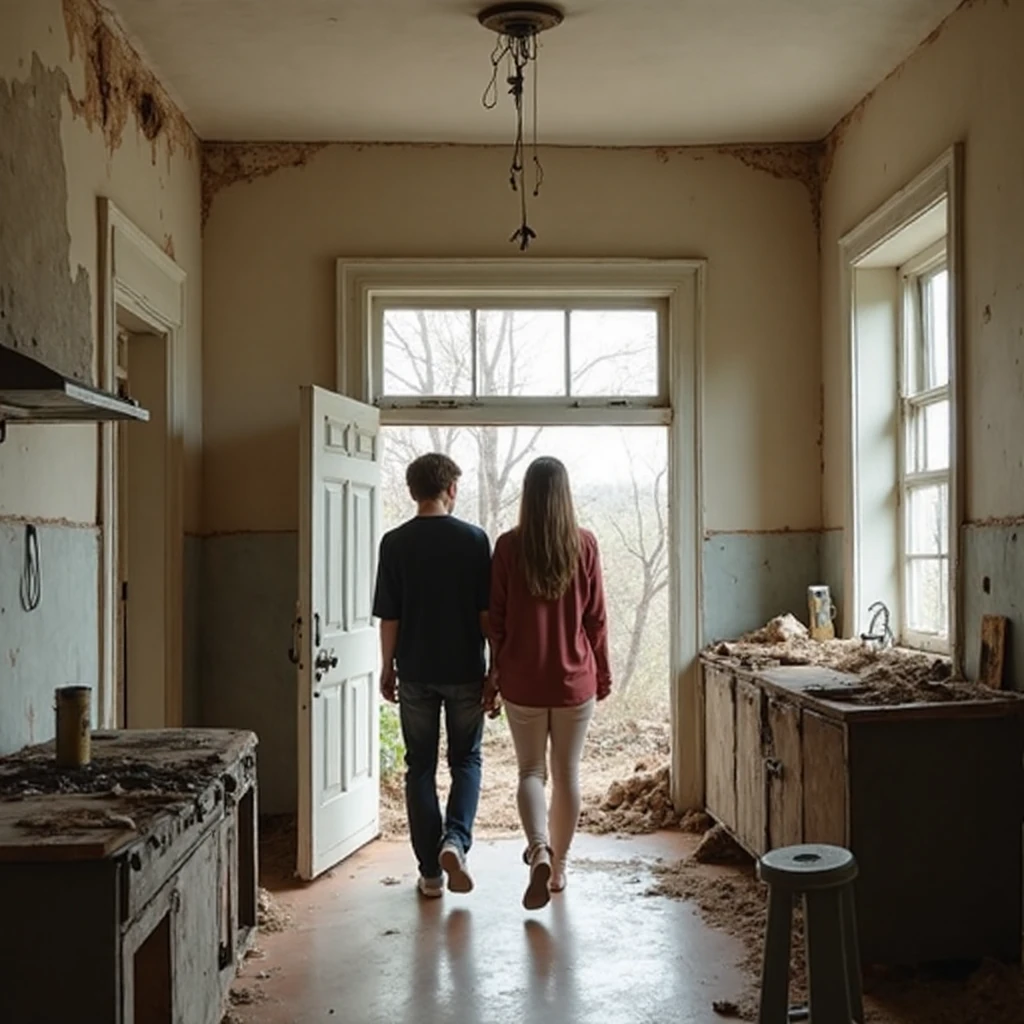
Reasons We Fall in Love with Houses
Reasons We Fall in Love with Houses.
Falling in love with a house is a fascinating blend of psychology, emotion, and personal experience. Here are some key reasons why certain homes captivate us:
1. Emotional Resonance (The "Feeling")
A house may evoke nostalgia, comfort, or a sense of belonging, often subconsciously.
Certain architectural styles, colors, or layouts can trigger positive memories (e.g., a porch like your grandparents’ home).
2. Aesthetic Appeal (Beauty & Charm)
Humans are drawn to symmetry, natural light, and pleasing proportions (e.g., high ceilings, and open spaces).
Unique details (exposed beams, vintage tiles) create visual intrigue and a sense of character.
3. Functionality & Flow
A well-designed layout feels intuitive, matching your lifestyle (e.g., a chef’s kitchen, cozy reading nook).
Spaces that align with your daily rituals (a garden for morning coffee) foster attachment.
4. The "Halo Effect" of Surroundings
A great neighborhood, scenic views, or a quiet street can amplify love for the house itself.
Emotional associations (e.g., a bustling downtown vs. a serene woodland) play a role.
5. Psychological Triggers
Safety: Subconscious cues (a sheltered entry, clear sightlines) make us feel secure.
Potential: We fall for what a house could be (renovation fantasies, blank canvas spaces).
Identity: A home may reflect our aspirations (a modern loft = creativity, a cottage = simplicity).
6. Scarcity & Uniqueness
Rare features (a turret, a hidden garden) create a sense of "this is one-of-a-kind"—fueling desire.
7. Sensory Experiences
The smell of hardwood, the sound of rain on a tin roof, or sunlight streaming in can create visceral attachments.
Why It Feels Like Love
Neurologically, the excitement of finding "the one" mirrors romantic attraction—dopamine rewards us for spotting something that fits our ideals. It’s a mix of practicality and poetry: the house doesn’t just work for us; it speaks to us.
Ever walked into a house and immediately felt at home? That’s your brain and heart agreeing it’s special. Visit www.epcasabyowner.com and fall in love with your dream home in El Paso, TX.
Rise of Anti-Luxury Housing Trends
Rise of Anti-Luxury Housing Trends Explained.
The rise of "anti-luxury" housing reflects a growing shift in buyer preferences, driven by economic, environmental, and cultural factors. This trend emphasizes simplicity, functionality, and sustainability over traditional opulence. Here’s why some buyers are rejecting conventional luxury in favor of less extravagant homes:
1. Affordability & Economic Realities
Many buyers, especially younger generations (Millennials, Gen Z), are priced out of traditional luxury markets due to high costs of living, student debt, and stagnant wages.
Instead of sprawling mansions, they prioritize smaller, well-designed spaces that are easier to maintain and more budget-friendly.
"Quiet luxury"—understated quality without flashy branding—is becoming more appealing than gilded finishes and oversized homes.
2. Minimalism & Intentional Living
The minimalism movement has gained traction, with people valuing experiences over possessions.
Anti-luxury homes focus on efficient layouts, multifunctional spaces, and fewer but higher-quality materials—aligning with a desire for less clutter and more freedom.
Tiny homes, modular housing, and converted industrial lofts are examples of this trend.
3. Sustainability & Eco-Consciousness
Traditional luxury homes often come with high energy consumption, excessive square footage, and resource-heavy materials.
Buyers now seek net-zero homes, passive houses, and recycled/reclaimed materials to reduce environmental impact.
Features like solar panels, rainwater harvesting, and natural insulation are prioritized over marble countertops and grand staircases.
4. Rejection of Status Symbols
For some, ostentatious displays of wealth feel outdated or even unethical amid growing income inequality.
Anti-luxury buyers prefer humble aesthetics (e.g., raw wood, exposed concrete) that emphasize authenticity over prestige.
There’s also a cultural backlash against McMansions—seen as wasteful and architecturally bland.
5. Urbanization & Practicality
In cities, space is limited, and buyers prioritize location and walkability over sheer size.
Micro-apartments, co-living spaces, and adaptive reuse buildings (like old factories turned lofts) cater to those who want urban convenience without excess.
High-maintenance luxury features (e.g., pools, sprawling lawns) are seen as burdens rather than perks.
6. Post-Pandemic Shifts
COVID-19 accelerated the move toward functional, flexible spaces (home offices, outdoor areas) rather than purely decorative ones.
Remote work made some buyers leave expensive cities, opting for smaller, rural, or off-grid homes that offer freedom over grandeur.
Examples of Anti-Luxury Housing Trends:
✔ Tiny homes (under 500 sq ft)
✔ Passive houses (ultra-energy-efficient)
✔ Prefab & modular homes (cost-effective, sustainable)
✔ Converted industrial spaces (warehouses, barns)
✔ "Quiet luxury" condos (high-quality but minimalist)
Anti-luxury housing isn’t about rejecting quality—it’s about redefining what "luxury" means. Buyers today often value sustainability, simplicity, and practicality over traditional markers of wealth. This shift reflects broader societal changes, from environmental concerns to evolving ideas about what truly makes a home desirable. Visit www.epcasabyowner.com and find your dream home in El Paso, TX.
Ghosts' Impact on Property Value Explained

AI Deepfakes Threaten Real Estate Fraud

Minimal Social Interaction Home Buying/Selling Guide
Minimal Social Interaction Home Buying/Selling Guide.
Buying or selling a home with minimal social interaction is possible by leveraging technology, third-party services, and strategic planning. Here’s how to do it:
Selling a Home with Minimal Social Interaction
Hire a Casa By Owner Full-Service Realtor
A Casa By Owner realtor can handle showings, negotiations, and paperwork on your behalf.
Specify that you prefer virtual communication (email, text, or video calls).
Use a Digital Platform or iBuyer
You submit details online, get an offer, and close remotely.
Virtual Tours & Self-Showings
Use a smart lock (e.g., August or Schlage) for buyers to tour the home alone.
Provide a 3D virtual tour to reduce in-person visits.
Electronic Signatures & Remote Closing
Sign documents digitally using DocuSign or Notarize.
Some states allow remote notarization for closing.
Limit Open Houses
Avoid traditional open houses; rely on private showings or virtual walkthroughs.
Buying a Home with Minimal Social Interaction
Work with a Buyer’s Agent
They can attend showings for you and relay feedback via video calls.
Search Online & Use Virtual Tours
Browse listings at www.epcasabyowner.com with high-quality photos/videos.
Request live video walkthroughs from the seller’s agent.
Self-Guided Tours
Casa By Owner agents offer keyless entry for solo tours (e.g., SentriLock).
Make an Offer Electronically
Submit offers via email or digital platforms.
Negotiate through your Casa By Owner agent instead of direct contact.
Remote Closing
Use e-signing and remote notarization where allowed.
Some lenders and title companies handle everything online.
Additional Tips
Title Companies & Escrow Services – Many handle transactions digitally.
Power of Attorney (POA) – If you must avoid signing in person, a trusted representative can sign for you.
Mail or Courier Services – For physical documents, use FedEx/USPS instead of in-person exchanges.
By combining digital tools, third-party services, and clear communication preferences, you can minimize face-to-face interactions while buying or selling a home. Visit www.epcasabyowner.com and find your dream home.
Subconscious Triggers for Emotional Buyer Attachment
Subconscious Triggers for Emotional Buyer Attachment.
In real estate, subconscious triggers play a huge role in making buyers emotionally attached to a property. These subtle cues influence their perception, memory, and decision-making—often without them even realizing it. Here’s how it works:
1. Lighting – Creates Warmth & Desire
Natural Light (Big Windows, Skylights) – Makes spaces feel open, healthy, and aspirational (triggers happiness linked to sunlight).
Warm, Soft Lighting (2700K-3000K) – Used in living rooms/bedrooms to evoke coziness and a "homey" feel.
Spotlighting on Key Features – Highlights fireplaces, artwork, or architectural details to draw attention.
Candlelight or Fireplace Glow – Triggers primal comfort and romance (used in staging).
Why it works: Bright spaces feel safer, while warm lighting makes buyers imagine relaxing there.
2. Scents – Triggers Nostalgia & Comfort
Fresh-Baked Cookies/Bread – Smells like "home" and activates childhood memories.
Vanilla/Cinnamon – Warm, comforting scents that reduce stress.
Clean Linen or Citrus – Suggests cleanliness and freshness.
Wood or Leather – In luxury homes, evokes richness and sophistication.
Why it works: Smell is directly linked to memory—a pleasant scent can make a buyer subconsciously associate the house with happiness.
3. Layout & Flow – Feels "Right" Instinctively
Open Floor Plans – Feels modern, social, and spacious (triggers a sense of freedom).
"Hugging" Pathways – Curved hallways/entryways feel more inviting than sharp angles.
Clear Sightlines to Outdoor Spaces – Connects indoor/outdoor living (biophilic design).
Functional Zones – Buyers should intuitively "get" the space (e.g., a reading nook feels purposeful).
Why it works: A layout that flows naturally reduces mental friction—buyers don’t have to "imagine" how they’d live there; they feel it.
4. Colors – Influences Mood & Perception
Neutral Walls (White, Beige, Soft Gray) – Acts as a blank canvas so buyers can project their own style.
Accent Walls (Deep Blue, Sage Green, Warm Terracotta) – Adds personality without overwhelming.
White Kitchens & Bathrooms – Feels clean, luxurious, and timeless.
Why it works: Neutral tones broaden appeal, while strategic colors evoke calm (blue), growth (green), or warmth (earth tones).
5. Sounds – Enhances Emotional Atmosphere
Soft Jazz or Classical Music – Makes a home feel elegant and serene.
Nature Sounds (Birds, Water Features) – Suggests tranquility (used in backyards/open houses).
Silence in Bedrooms – Feels like a retreat (no noise pollution).
Why it works: Sound affects emotional pacing—slow music makes buyers linger, while silence lets them "hear" themselves living there.
6. Tactile & Textural Triggers – Feels "Luxurious"
Plush Rugs and Throw Blankets – Make buyers want to touch and stay.
Smooth Countertops (Marble, Quartz) – Signals quality.
Wood Grain & Natural Materials – Feels organic and premium.
Why it works: Texture subconsciously signals comfort and value—buyers equate softness with coziness and smoothness with luxury.
7. Staging & "Lived-In" Touches – Tells a Story
Set Dining Tables – Suggest family gatherings.
Fresh Flowers or a Bowl of Fruit – Adds life and vibrancy.
Books on Shelves, Art on Walls – Makes the home feel personal (but not too personal).
Why it works: Buyers don’t buy a house—they buy a future. Staging helps them visualize their life there.
8. Outdoor & Curb Appeal – First Impressions Matter
Manicured Lawn & Flowers – Signals care and pride of ownership.
A Welcoming Front Door (Red, Blue, Black) – Draws attention and feels inviting.
Porch Seating (Rocking Chairs, Swing) – Triggers fantasies of relaxation.
Why it works: The brain decides within seconds if it "likes" a home—great curb appeal sets a positive emotional tone.
Buyers make decisions based on emotion and then justify them with logic. By engaging multiple senses (sight, smell, touch, sound), you create a visceral connection that makes them think:
"This feels like home."
Visit www.epcasabyowner.com and find your dream home.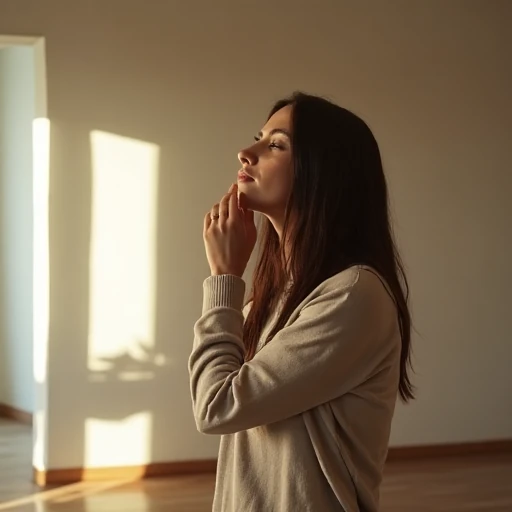
Property Development's Role in Urban Heat Islands
Property Development's Role in Urban Heat Islands.
Property development plays a significant role in both contributing to and mitigating urban heat islands (UHIs), where urban areas experience higher temperatures than surrounding rural regions. Here’s how:
How Property Development Can Contribute to UHIs:
Increased Impervious Surfaces – Large areas of concrete, asphalt, and rooftops absorb and re-emit heat, raising local temperatures.
Deforestation & Loss of Green Space – Clearing vegetation for development reduces shade and evapotranspiration, which naturally cools the air.
Dark-Colored Materials – Using heat-absorbing materials (e.g., black roofs, and dark pavements) increases thermal retention.
High-Density Buildings – Tightly packed structures trap heat and reduce airflow, creating "urban canyons" that limit cooling.
Waste Heat from Buildings & Vehicles – Poorly designed HVAC systems and increased traffic add anthropogenic heat.
How Property Development Can Mitigate UHIs:
Green Roofs & Walls – Vegetated roofs and walls provide insulation, reduce heat absorption, and enhance evapotranspiration.
Cool Roofs & Reflective Pavements – Light-colored or reflective materials (e.g., white roofs, permeable pavements) reduce heat absorption.
Urban Greenery & Parks – Incorporating trees, green spaces, and urban forests provides shade and cooling through evapotranspiration.
Water Features – Ponds, fountains, and wetlands help cool the air through evaporation.
Sustainable Urban Design –
Mixed-use development reduces car dependency, lowering waste heat.
Building Orientation & Ventilation allows natural airflow to disperse heat.
Permeable Surfaces (e.g., porous pavements) reduce runoff and heat retention.
Energy-Efficient Buildings – Better insulation, smart glass, and passive cooling reduce heat emissions from HVAC systems.
District Cooling Systems – Centralized cooling systems improve efficiency and reduce localized heat.
Property development can either worsen UHIs through poor planning and heat-trapping materials or mitigate them through sustainable design, green infrastructure, and smart urban policies. Cities like Singapore (with its "Garden City" approach) and Copenhagen (with green roofs) demonstrate how intentional development can combat urban heating.
Visit www.epcasabyowner.com and find your dream home in El Paso, TX.