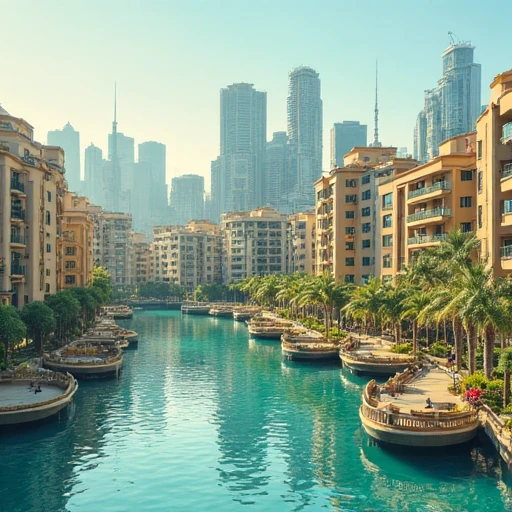
Property Development's Role in Urban Heat Islands.
Property development plays a significant role in both contributing to and mitigating urban heat islands (UHIs), where urban areas experience higher temperatures than surrounding rural regions. Here’s how:
How Property Development Can Contribute to UHIs:
Increased Impervious Surfaces – Large areas of concrete, asphalt, and rooftops absorb and re-emit heat, raising local temperatures.
Deforestation & Loss of Green Space – Clearing vegetation for development reduces shade and evapotranspiration, which naturally cools the air.
Dark-Colored Materials – Using heat-absorbing materials (e.g., black roofs, and dark pavements) increases thermal retention.
High-Density Buildings – Tightly packed structures trap heat and reduce airflow, creating "urban canyons" that limit cooling.
Waste Heat from Buildings & Vehicles – Poorly designed HVAC systems and increased traffic add anthropogenic heat.
How Property Development Can Mitigate UHIs:
Green Roofs & Walls – Vegetated roofs and walls provide insulation, reduce heat absorption, and enhance evapotranspiration.
Cool Roofs & Reflective Pavements – Light-colored or reflective materials (e.g., white roofs, permeable pavements) reduce heat absorption.
Urban Greenery & Parks – Incorporating trees, green spaces, and urban forests provides shade and cooling through evapotranspiration.
Water Features – Ponds, fountains, and wetlands help cool the air through evaporation.
Sustainable Urban Design –
Mixed-use development reduces car dependency, lowering waste heat.
Building Orientation & Ventilation allows natural airflow to disperse heat.
Permeable Surfaces (e.g., porous pavements) reduce runoff and heat retention.
Energy-Efficient Buildings – Better insulation, smart glass, and passive cooling reduce heat emissions from HVAC systems.
District Cooling Systems – Centralized cooling systems improve efficiency and reduce localized heat.
Property development can either worsen UHIs through poor planning and heat-trapping materials or mitigate them through sustainable design, green infrastructure, and smart urban policies. Cities like Singapore (with its "Garden City" approach) and Copenhagen (with green roofs) demonstrate how intentional development can combat urban heating.
Visit www.epcasabyowner.com and find your dream home in El Paso, TX.