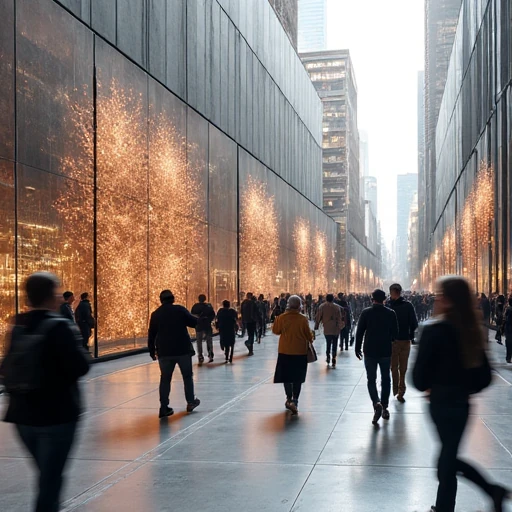
Public Art Transforms Neighborhoods, Boosts Values.
Public art installations can have a transformative impact on neighborhoods, fostering cultural vibrancy, community pride, and economic growth—often leading to increased property values. Here’s how:
1. Enhancing Aesthetic Appeal & Placemaking
Public art—murals, sculptures, interactive installations, or light displays—can turn bland or neglected spaces into visually engaging landmarks. This beautification makes neighborhoods more attractive to residents, visitors, and potential investors, increasing demand for nearby properties.
2. Creating a Sense of Identity & Community
Art that reflects local history, culture, or social themes fosters a stronger neighborhood identity. When residents feel connected to their surroundings, they’re more likely to invest in upkeep and community engagement, which indirectly boosts property desirability.
3. Driving Foot Traffic & Economic Activity
Iconic public art becomes a destination, drawing tourists and locals alike. Increased foot traffic benefits nearby businesses (cafés, shops, galleries), making the area more commercially viable. This economic uplift often leads to higher property values over time.
4. Reducing Crime & Improving Safety
Well-maintained public art can deter vandalism and crime by signaling community care and engagement. Some cities use murals and lighting installations to revitalize underused spaces, making them feel safer—a key factor in real estate appreciation.
5. Catalyzing Urban Renewal & Development
Public art often acts as a catalyst for broader revitalization efforts. Developers and city planners may use art installations to rebrand neighborhoods, attracting investment in housing, retail, and infrastructure. For example:
The "Before I Die" chalkboard walls (by Candy Chang) sparked community engagement worldwide.
Philadelphia’s Mural Arts Program transformed blighted areas into cultural hubs, increasing nearby property values.
6. Perceived Prestige & Cultural Capital
Neighborhoods with renowned public art gain cultural prestige, attracting affluent buyers and renters willing to pay a premium. A 2019 study by the Federal Reserve Bank of Philadelphia found that homes near public art saw a 4-10% increase in value compared to similar properties elsewhere.
Potential Challenges & Considerations
While public art generally benefits neighborhoods, rapid gentrification can displace long-term residents. Cities should balance art-driven development with affordable housing policies to ensure inclusive growth.
Conclusion
Public art doesn’t just decorate a neighborhood—it can redefine its economic and social trajectory. By fostering pride, attracting investment, and creating vibrant public spaces, art installations contribute to sustainable urban growth and rising property values. Visit www.epcasabyowner.com and find your dream home in El Paso, TX.