


Before an El Paso home is photographed, the seller should confirm five things: who owns the images, where they may be used, how long the license lasts, which edits or virtual staging are permitted, and whether any drone work complies with current FAA rules. Accurate photos should show the property clearly without hiding permanent conditions, inventing features or replacing required seller disclosures.
Published by Casa By Owner for home sellers and buyers in El Paso, Horizon City and the Fort Bliss relocation market. Updated November 17, 2026.
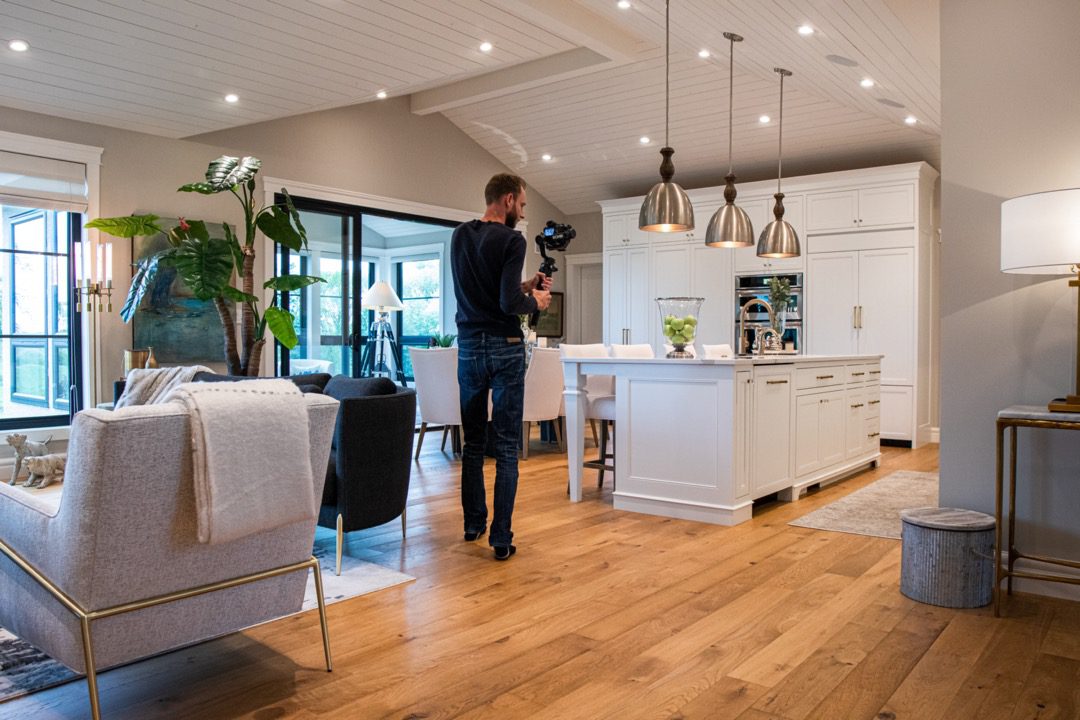
What should an El Paso seller decide before photo day?
Start with the marketing plan, not a generic cleaning list. Ask which rooms, exterior areas, views and amenities will be photographed; whether the package includes floor plans, video, twilight images, virtual staging or drone media; and where the finished files will appear.
Put the answers in writing. A useful agreement identifies the photographer, the property, the deliverables, the delivery date, cancellation or weather terms, the image license and any restrictions on editing, syndication or reuse. It should also say who may authorize additional uses after the listing ends.
Casa By Owner sellers can pair this guide with the 2026 El Paso home-staging guide and the pre-listing inspection guide when preparing the property.
Who owns real estate listing photos?
The U.S. Copyright Office's guidance for photographers says the person who takes a photograph is generally its author and initial copyright owner. A limited exception can apply when the image is a qualifying work made for hire. Paying for a photo shoot does not, by itself, prove that the seller or brokerage owns the copyright.
Sellers should ask for a written license or assignment that matches the marketing plan. The agreement can allow use without transferring ownership, or it can transfer specified rights when the parties intend that result. Copyright and contract questions are fact-specific; consult an attorney when ownership or reuse is disputed.
Which photo uses should the written license cover?
A narrow license can create problems if a listing is syndicated or marketed across several channels. The written terms should address the uses that are actually planned, such as:
- the local multiple listing service and permitted syndication to real estate portals;
- the brokerage or agent website and property-search pages;
- social media, email, text and digital advertising;
- printed flyers, signs, postcards and listing presentations;
- video, slideshows, virtual tours and cropped social-media formats;
- price changes, temporary withdrawal, relisting or a new listing agreement; and
- post-closing portfolio, market-report or "sold" marketing, if authorized.
Also ask whether the photographer may license the same images to someone else, whether the seller may give files to a builder or contractor, and whether a future agent may reuse them. Do not copy photos from an old listing or another website unless the current use is authorized.
Can listing photos be edited?
Editing should improve clarity without creating a materially false impression. Texas Real Estate Commission Rule 535.155 treats internet, social-media and other public brokerage communications as advertising and says an advertisement may not be inaccurate in a material fact, misleading or likely to deceive the public. That standard matters whether the change is made by a photographer, an editor or an AI tool.
Ordinary processing can include exposure, color balance, perspective correction and cropping when the result still represents the property fairly. Greater caution is needed before removing or adding anything. Do not digitally erase roof damage, wall damage, power lines, a neighboring structure, a permanent utility feature or another condition a buyer would reasonably expect to see. Do not create windows, rooms, pools, views, upgraded finishes or fixtures that do not exist.
If an image is materially altered for illustration, disclose that fact prominently and keep the unedited original available for comparison. A seller and listing professional should review every final image before it is published.
What are the safest virtual-staging practices?
Virtual staging can help a buyer understand scale or possible furniture placement, but it should not hide property condition or change permanent features. TREC's 2026-2027 Legal Update II discusses risks from AI home staging and warns that advertising which misleads, is likely to deceive or tends to create a misleading impression can violate Texas law and TREC rules.
Use these controls:
- label each altered image as "virtually staged" or "digitally staged";
- show or make available the original empty-room image;
- keep walls, doors, windows, ceilings, floors and fixed equipment unchanged;
- do not cover damage, stains, missing finishes or construction work;
- use furniture and decor at believable scale; and
- inspect AI output for distorted architecture, duplicated fixtures and impossible layouts.
Virtual renovation is different from placing furniture in an empty room. If a rendering shows a proposed remodel, label it as a conceptual rendering and do not present it as the home's current condition.
How do fair-housing rules affect listing photos and captions?
Property marketing should describe the home and verifiable location features, not the type of person who should live there. HUD's Fair Housing Act guidance explains that housing advertisements may not indicate a preference, limitation or discrimination based on race, color, national origin, religion, sex, disability or familial status. HUD also notes that words, photographs, illustrations and symbols can create a prohibited message.
Use inclusive, property-focused images and captions. Describe the kitchen layout, number of rooms, accessible features, yard, storage, nearby public facilities and documented improvements. Avoid images or wording selected to signal a preferred household, religion, ethnicity, age group or other protected characteristic. Obtain professional guidance if a marketing choice raises a fair-housing question.
What should sellers know about drone photography in El Paso?
Real estate drone photography is a commercial use, not a recreational flight. The FAA's Part 107 guidance explains that commercial operators must follow the small-unmanned-aircraft rules, and the drone must be registered as required. The pilot should hold the appropriate remote-pilot certificate.
Airspace matters in El Paso because an address may be near El Paso International Airport, Biggs Army Airfield or another controlled area. The FAA's airspace-authorization page says Part 107 pilots need authorization to operate in controlled airspace and may use LAANC or FAADroneZone when applicable. Some Defense Department-controlled facilities require the manual process rather than LAANC.
The seller should not direct an unqualified person to "just fly for a few minutes." Ask the drone provider to confirm certification, registration, airspace authorization, site safety and any property-access permission. Aerial media is optional; a listing can be marketed without it.
How should sellers prepare the exterior for listing photos?
- Move vehicles, trash bins, garden tools, hoses and portable sports equipment when practical.
- Sweep walks and patios; remove visible debris and address obvious trip hazards.
- Trim only what is appropriate for the season and property. Do not conceal defects.
- Set out clean patio furniture sparingly so the space remains readable.
- Replace burned-out exterior bulbs and confirm that fixed lighting works.
- Close garage doors unless an interior garage photo is planned.
- Tell the photographer about solar panels, storage buildings, pools, gates or views that need accurate coverage.
Check the forecast and the sun's position with the photographer. El Paso wind, dust or strong midday contrast can affect timing, but no weather condition guarantees a particular marketing result.
How should the kitchen and main living areas be prepared?
Clear enough surface area to show the room's size and fixed features. In the kitchen, remove dishes, cleaning supplies, paper products, magnets and most small appliances from counters and the refrigerator. Leave only a few neutral items if they help show scale. Check that cabinet doors, drawers and appliance doors are closed evenly.
In living and dining areas, manage visible cords, remotes, pet items and excess furniture. Straighten cushions, window coverings and light fixtures. Replace burned-out bulbs and use consistent color temperatures where possible. Do not hide a permanent condition that should remain visible to a buyer.
How should bedrooms and bathrooms be prepared?
Make beds, clear nightstands, remove laundry and open only the window coverings the photographer plans to use. Closets do not need to appear empty, but organize them if they will be photographed. Remove documents, medications, jewelry and other private or valuable items before anyone arrives.
In bathrooms, remove personal toiletries, prescriptions, cleaning tools, scales and bath mats when practical. Close toilet lids, hang clean towels and check mirrors, glass and fixtures. A photo should show the room, not a seller's personal information.
What private or security information should be removed?
High-resolution photos can reveal more than a seller notices during a walk-through. Before the shoot, remove or cover:
- mail, tax records, school papers and documents with names or account numbers;
- family calendars, work schedules and travel plans;
- alarm keypads, access codes, lockbox codes and spare keys;
- computer screens, passwords, medication labels and prescription bottles;
- valuable collections, firearms and other security-sensitive items; and
- close-up vehicle plates or identification documents when they are not relevant to the property.
Do not rely on later blurring as the only privacy plan. A room-by-room review before the camera arrives is safer and faster.
Do listing photos replace the Texas seller's disclosure?
No. Texas Property Code Section 5.008 requires a written seller's disclosure of property condition for many residential sales, subject to statutory exceptions. The statute says the notice reflects the seller's knowledge and is not a substitute for inspections or warranties. TREC provides a current Seller's Disclosure Notice containing information required by that section.
Photos, captions and disclosures serve different purposes. Leaving a defect out of the photo set does not erase a disclosure duty. Sellers should answer required forms accurately, disclose known material facts as required, and ask their real estate professional or attorney about property-specific questions. Review Casa By Owner's 2026 Texas seller's disclosure guide before listing.
What should the seller review before the listing goes live?
- Confirm that the address, room labels and photo sequence are correct.
- Compare edited photos with the actual property and unedited originals.
- Verify that virtual staging or conceptual renderings are clearly labeled.
- Check images for private information, access codes and valuables.
- Confirm that photo, video, floor-plan and drone rights cover every planned channel.
- Review captions and audience targeting for fair-housing compliance.
- Make sure the first image accurately represents the property.
- Keep the license, invoices, originals and final files with the listing records.
El Paso listing photo FAQ
Can a seller reuse photos from a previous listing?
Only if the seller has permission for the new use. The original photographer or another party may own the copyright, and the earlier license may have been limited to one listing, one brokerage or one period.
Is virtual staging legal in Texas?
Virtual staging is not automatically prohibited, but Texas advertising may not mislead or create a deceptive impression. Label altered images, preserve the actual architecture and condition, and show or retain the original image.
Can AI remove clutter from a listing photo?
Minor temporary-item removal still requires careful review. Do not use AI to remove defects, permanent features, neighboring improvements or anything that changes a reasonable buyer's understanding of the property. Keep the original and disclose material alteration.
Does every El Paso listing need drone photos?
No. Drone media is optional. If it is used, the pilot must follow current FAA rules and obtain any required controlled-airspace authorization.
Should family photos be removed?
That is the seller's choice, but reducing personal identifiers can improve privacy and help the images emphasize the property. Remove sensitive documents, schedules, codes and valuables regardless.
Can listing photos hide a known defect if the seller discloses it elsewhere?
A seller should not create misleading advertising. Disclosures, inspections and marketing images have separate functions. Get professional guidance before omitting or altering an image in a way that could misrepresent a material condition.
Plan truthful, useful listing media with Casa By Owner
Casa By Owner helps El Paso and Horizon City sellers coordinate property preparation, pricing, listing media and buyer communication. Review the Casa By Owner home-selling services and use the staging and disclosure guides to organize the property before marketing begins.
Ready to plan your listing photos and launch? Contact Casa By Owner for a property-specific selling plan serving El Paso, Horizon City and the Fort Bliss area.
Authoritative sources
- Texas Real Estate Commission rules, including Section 535.155
- TREC Legal Update II 2026-2027, AI home-staging guidance
- HUD Fair Housing Act digital-advertising guidance
- FAA Part 107 rules overview
- FAA Part 107 airspace authorizations
- U.S. Copyright Office guidance for photographers
- Texas Property Code Section 5.008
- TREC Seller's Disclosure Notice
This article provides general real estate and marketing information, not legal advice. Copyright, advertising, disclosure, fair-housing and aviation requirements depend on the facts. Confirm current rules with the responsible agency and qualified professionals.