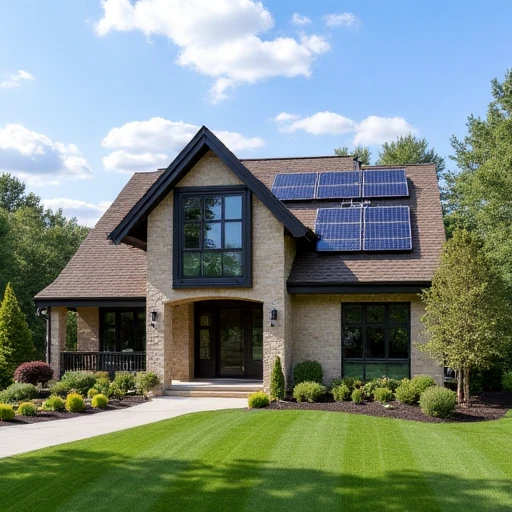
Renewable Energy Impact on Property Values.
Renewable energy installations, such as solar panels, wind turbines, and geothermal systems, can influence property values and ownership in several ways. Here’s a breakdown of the key effects:
1. Positive Impacts on Property Values
-
Increased Market Value: Homes with solar panels or other renewable energy systems often sell for more than comparable properties without them. Studies (e.g., from the U.S. Department of Energy’s Lawrence Berkeley Lab) suggest solar panels can increase home values by 3-4% on average, depending on the local market.
-
Energy Cost Savings: Buyers may pay a premium for homes with lower utility bills due to renewable energy systems.
-
Appeal to Eco-Conscious Buyers: Properties with green energy features attract environmentally minded buyers, potentially speeding up sales.
2. Potential Negative Effects (Context-Dependent)
-
Aesthetic Concerns: Some buyers may dislike the look of solar panels or wind turbines, though this is becoming less common as renewables gain acceptance.
-
Wind Turbine Proximity: Large-scale wind farms near residential areas can sometimes reduce property values due to noise, shadow flicker, or visual impact, though studies show mixed results.
-
Leased vs. Owned Systems: If solar panels are leased (rather than owned outright), transfer complications could deter buyers unless the lease terms are favorable.
3. Ownership Considerations
-
Easements & Land Leases: Large renewable projects (e.g., solar or wind farms) may involve leasing part of a property, which can provide steady income but may restrict land use.
-
HOA & Zoning Restrictions: Some homeowners' associations (HOAs) or local governments have rules on solar panel placement, potentially limiting installations.
-
Maintenance & Long-Term Costs: While renewable systems generally require little upkeep, buyers may consider replacement costs (e.g., solar inverters every 10-15 years).
4. Financing & Tax Implications
-
Federal/State Incentives: Tax credits (e.g., the U.S. federal solar tax credit) can offset installation costs, indirectly boosting property value.
-
Green Mortgages: Some lenders offer better terms for energy-efficient homes, including those with renewables.
-
Property Tax Exemptions: Certain states exclude the added value of solar systems from property tax assessments.
5. Future Trends
-
Growing Demand: As energy costs rise and climate awareness increases, renewable-equipped homes may see stronger appreciation.
-
Grid Independence: Properties with battery storage (e.g., Tesla Powerwall) could become even more desirable in areas prone to power outages.
Renewable energy installations generally enhance property values, especially in markets where energy efficiency is prioritized. However, the impact varies based on system type, local regulations, and buyer preferences. If you're considering an installation, consult a local real estate expert to assess market trends in your area.