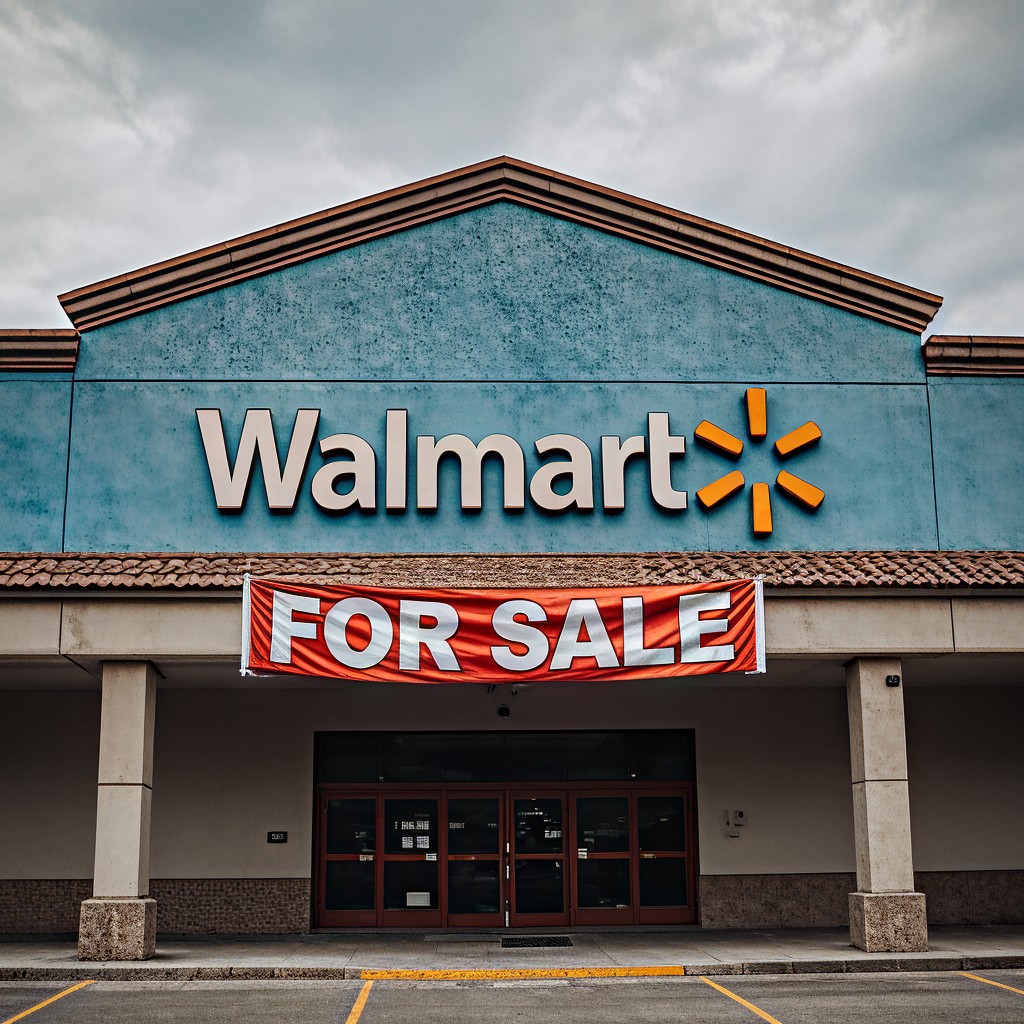
Reverse Walmart Effect: Real Estate Opportunities After Closure.
The "Reverse Walmart Effect" is a fascinating phenomenon where the closure of a big-box store, often seen as a community loss, inadvertently creates unique and valuable real estate opportunities. Here’s a detailed explanation of how this works.
First, a Quick Recap of the Traditional "Walmart Effect"
The classic "Walmart Effect" refers to the economic impact a new Walmart store has on a community. This includes:
Lower prices for consumers due to massive economies of scale.
Job creation (though often debated in terms of wage quality).
Potential closure of small, local businesses that can't compete on price.
Increased traffic and commercial activity in the area, raising property values around the new store.
The "Reverse Walmart Effect": The Aftermath of a Closure
When a Walmart, Target, or other large retailer closes, the initial narrative is one of blight: job losses, a vacant building, and a drop in foot traffic. However, this vacuum sets in motion a chain of events that savvy investors, developers, and local governments can leverage.
1. The Creation of a "Blank Slate" in a Prime Location
Big-box stores are notorious for choosing excellent real estate. They select locations with:
High-traffic corridors: Major roads and intersections.
Established infrastructure: Easy highway access, ample utilities, and existing parking.
Surrounding demographics: A built-in customer base within a specific radius.
When the store leaves, this premium real estate—often 100,000+ square feet and 10+ acres of land—becomes available at a potentially discounted price. This is the core of the opportunity: a massive, well-located "blank slate."
2. Key Real Estate Opportunities Created
The opportunities generally break down into two categories: reusing the existing structure or redeveloping the entire land parcel.
A. Adaptive Reuse of the Existing Building:
This is the most common path. The giant, empty shell is reimagined for a new purpose.
Multi-Tenant Retail ("De-Densifying"): Subdividing the single large space into several smaller storefronts for other retailers (e.g., a home goods store, a gym, a discount grocer, and several smaller shops). This often creates a more diverse and resilient retail ecosystem than the single anchor tenant.
Non-Retail Repurposing:
Last-Mile Logistics & E-Commerce Fulfillment Centers: Perhaps the hottest trend. The location is perfect for companies like Amazon, FedEx, or regional distributors who need large warehouses in dense suburban areas to facilitate fast delivery.
Educational & Community Centers: Converting the space into a charter school, community college satellite campus, or a recreational facility (indoor sports complex, climbing gym).
Healthcare Hubs: Housing outpatient medical clinics, urgent care facilities, specialty surgical centers, and medical offices. The ample parking is a major plus.
Self-Storage Facilities: The large, secure, windowless buildings are ironically perfect for self-storage, a highly profitable real estate class.
B. Full Redevelopment of the Land (Demolition and Rebuild):
In some cases, the building itself is obsolete, but the land is incredibly valuable. Demolishing the structure unlocks higher-value uses.
Mixed-Use Developments: Building a combination of retail stores on the ground floor with residential apartments or offices above. This walkable, live-work-play model is highly desirable and can transform a single-use retail zone into a vibrant town center.
Densified Housing: Building townhomes, apartment complexes, or senior living facilities to address housing shortages, especially in densely populated suburbs where land is scarce.
Logistics Parks: Demolishing the store to build a modern, state-of-the-art distribution center specifically designed for e-commerce.
Why These Opportunities Are "Unexpected"
The Speed of Change: The shift from "blight" to "opportunity" can happen surprisingly quickly. While the closure is a shock, the real estate market moves fast to fill valuable voids.
Higher and Better Use: The new use is often more profitable and community-serving than the original single-tenant store. A mixed-use project with housing and retail may generate more tax revenue and economic activity than the Walmart did.
Catalyst for Wider Revitalization: A successful redevelopment of a massive vacant store can become a catalyst, spurring investment and upgrades in the surrounding shopping plaza or commercial district. It can remove a symbol of decline and replace it with a symbol of progress.
Meeting Modern Demand: The closure reflects changing retail habits (e.g., rise of e-commerce). The redevelopment opportunities are a direct response to new economic drivers: the need for housing, healthcare, experiences, and instant delivery.
Real-World Examples
Dayton, Ohio: A former Walmart was converted into a massive indoor aquarium (SeaQuest), a use that draws significant tourism.
Laconia, New Hampshire: A closed Walmart was transformed into a state-of-the-art self-storage facility.
Various Locations: Countless former Kmarts and Sears have been subdivided into multi-tenant retail spaces housing grocers like Aldi, gyms like Planet Fitness, and home goods stores like At Home.
Austin, Texas: A high-profile example where an aging mall, including its anchor stores, is being fully redeveloped into a mixed-use neighborhood with offices, apartments, and green space.
The "Reverse Walmart Effect" demonstrates the resilience of urban and suburban economies. While the closure of a major retailer is initially a negative event, it ultimately unlocks latent real estate value. It forces a reassessment of the highest and best use for a prime piece of land in a modern economy, often leading to more diverse, denser, and economically vibrant outcomes than the original single-purpose store ever could. It's a powerful lesson in creative destruction and adaptive reuse in real estate. Visit www.epcasabyowner.com and find your dream home in El Paso, TX.