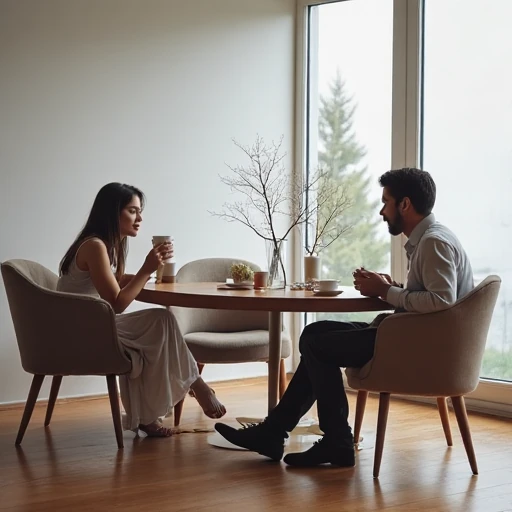
Rise of Anti-Luxury Housing Trends Explained.
The rise of "anti-luxury" housing reflects a growing shift in buyer preferences, driven by economic, environmental, and cultural factors. This trend emphasizes simplicity, functionality, and sustainability over traditional opulence. Here’s why some buyers are rejecting conventional luxury in favor of less extravagant homes:
1. Affordability & Economic Realities
Many buyers, especially younger generations (Millennials, Gen Z), are priced out of traditional luxury markets due to high costs of living, student debt, and stagnant wages.
Instead of sprawling mansions, they prioritize smaller, well-designed spaces that are easier to maintain and more budget-friendly.
"Quiet luxury"—understated quality without flashy branding—is becoming more appealing than gilded finishes and oversized homes.
2. Minimalism & Intentional Living
The minimalism movement has gained traction, with people valuing experiences over possessions.
Anti-luxury homes focus on efficient layouts, multifunctional spaces, and fewer but higher-quality materials—aligning with a desire for less clutter and more freedom.
Tiny homes, modular housing, and converted industrial lofts are examples of this trend.
3. Sustainability & Eco-Consciousness
Traditional luxury homes often come with high energy consumption, excessive square footage, and resource-heavy materials.
Buyers now seek net-zero homes, passive houses, and recycled/reclaimed materials to reduce environmental impact.
Features like solar panels, rainwater harvesting, and natural insulation are prioritized over marble countertops and grand staircases.
4. Rejection of Status Symbols
For some, ostentatious displays of wealth feel outdated or even unethical amid growing income inequality.
Anti-luxury buyers prefer humble aesthetics (e.g., raw wood, exposed concrete) that emphasize authenticity over prestige.
There’s also a cultural backlash against McMansions—seen as wasteful and architecturally bland.
5. Urbanization & Practicality
In cities, space is limited, and buyers prioritize location and walkability over sheer size.
Micro-apartments, co-living spaces, and adaptive reuse buildings (like old factories turned lofts) cater to those who want urban convenience without excess.
High-maintenance luxury features (e.g., pools, sprawling lawns) are seen as burdens rather than perks.
6. Post-Pandemic Shifts
COVID-19 accelerated the move toward functional, flexible spaces (home offices, outdoor areas) rather than purely decorative ones.
Remote work made some buyers leave expensive cities, opting for smaller, rural, or off-grid homes that offer freedom over grandeur.
Examples of Anti-Luxury Housing Trends:
✔ Tiny homes (under 500 sq ft)
✔ Passive houses (ultra-energy-efficient)
✔ Prefab & modular homes (cost-effective, sustainable)
✔ Converted industrial spaces (warehouses, barns)
✔ "Quiet luxury" condos (high-quality but minimalist)
Anti-luxury housing isn’t about rejecting quality—it’s about redefining what "luxury" means. Buyers today often value sustainability, simplicity, and practicality over traditional markers of wealth. This shift reflects broader societal changes, from environmental concerns to evolving ideas about what truly makes a home desirable. Visit www.epcasabyowner.com and find your dream home in El Paso, TX.