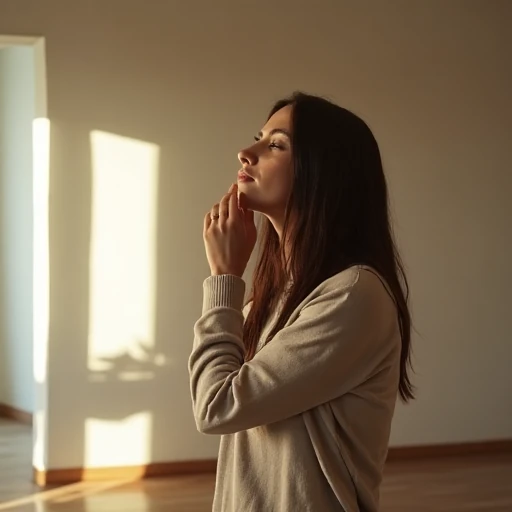
Subconscious Triggers for Emotional Buyer Attachment.
In real estate, subconscious triggers play a huge role in making buyers emotionally attached to a property. These subtle cues influence their perception, memory, and decision-making—often without them even realizing it. Here’s how it works:
1. Lighting – Creates Warmth & Desire
Natural Light (Big Windows, Skylights) – Makes spaces feel open, healthy, and aspirational (triggers happiness linked to sunlight).
Warm, Soft Lighting (2700K-3000K) – Used in living rooms/bedrooms to evoke coziness and a "homey" feel.
Spotlighting on Key Features – Highlights fireplaces, artwork, or architectural details to draw attention.
Candlelight or Fireplace Glow – Triggers primal comfort and romance (used in staging).
Why it works: Bright spaces feel safer, while warm lighting makes buyers imagine relaxing there.
2. Scents – Triggers Nostalgia & Comfort
Fresh-Baked Cookies/Bread – Smells like "home" and activates childhood memories.
Vanilla/Cinnamon – Warm, comforting scents that reduce stress.
Clean Linen or Citrus – Suggests cleanliness and freshness.
Wood or Leather – In luxury homes, evokes richness and sophistication.
Why it works: Smell is directly linked to memory—a pleasant scent can make a buyer subconsciously associate the house with happiness.
3. Layout & Flow – Feels "Right" Instinctively
Open Floor Plans – Feels modern, social, and spacious (triggers a sense of freedom).
"Hugging" Pathways – Curved hallways/entryways feel more inviting than sharp angles.
Clear Sightlines to Outdoor Spaces – Connects indoor/outdoor living (biophilic design).
Functional Zones – Buyers should intuitively "get" the space (e.g., a reading nook feels purposeful).
Why it works: A layout that flows naturally reduces mental friction—buyers don’t have to "imagine" how they’d live there; they feel it.
4. Colors – Influences Mood & Perception
Neutral Walls (White, Beige, Soft Gray) – Acts as a blank canvas so buyers can project their own style.
Accent Walls (Deep Blue, Sage Green, Warm Terracotta) – Adds personality without overwhelming.
White Kitchens & Bathrooms – Feels clean, luxurious, and timeless.
Why it works: Neutral tones broaden appeal, while strategic colors evoke calm (blue), growth (green), or warmth (earth tones).
5. Sounds – Enhances Emotional Atmosphere
Soft Jazz or Classical Music – Makes a home feel elegant and serene.
Nature Sounds (Birds, Water Features) – Suggests tranquility (used in backyards/open houses).
Silence in Bedrooms – Feels like a retreat (no noise pollution).
Why it works: Sound affects emotional pacing—slow music makes buyers linger, while silence lets them "hear" themselves living there.
6. Tactile & Textural Triggers – Feels "Luxurious"
Plush Rugs and Throw Blankets – Make buyers want to touch and stay.
Smooth Countertops (Marble, Quartz) – Signals quality.
Wood Grain & Natural Materials – Feels organic and premium.
Why it works: Texture subconsciously signals comfort and value—buyers equate softness with coziness and smoothness with luxury.
7. Staging & "Lived-In" Touches – Tells a Story
Set Dining Tables – Suggest family gatherings.
Fresh Flowers or a Bowl of Fruit – Adds life and vibrancy.
Books on Shelves, Art on Walls – Makes the home feel personal (but not too personal).
Why it works: Buyers don’t buy a house—they buy a future. Staging helps them visualize their life there.
8. Outdoor & Curb Appeal – First Impressions Matter
Manicured Lawn & Flowers – Signals care and pride of ownership.
A Welcoming Front Door (Red, Blue, Black) – Draws attention and feels inviting.
Porch Seating (Rocking Chairs, Swing) – Triggers fantasies of relaxation.
Why it works: The brain decides within seconds if it "likes" a home—great curb appeal sets a positive emotional tone.
Buyers make decisions based on emotion and then justify them with logic. By engaging multiple senses (sight, smell, touch, sound), you create a visceral connection that makes them think:
"This feels like home."
Visit www.epcasabyowner.com and find your dream home.