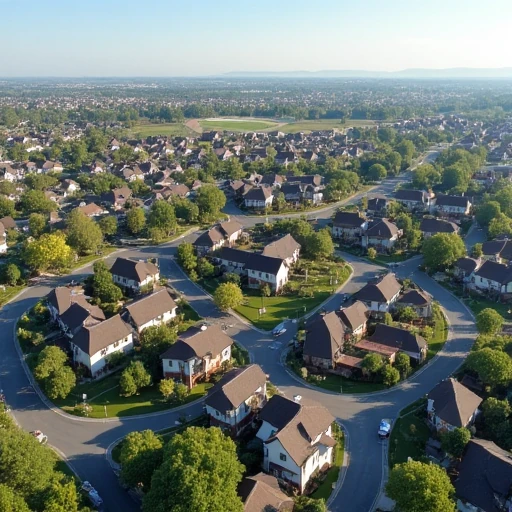
Suburban Development and Modern Real Estate Impact.
Here's a concise overview of suburban development and its impact on modern real estate:
History of Suburban Development
Early 20th Century (Pre-WWII):
Suburbs began as affluent enclaves near cities, connected by railroads and streetcars.
Examples: Levittown (NY) post-WWII, mass-produced for returning GIs.
Post-WWII Boom (1950s–1960s):
Federal policies (GI Bill, highway expansion) fueled suburban growth.
White flight, racial segregation, and zoning laws shaped demographics.
Late 20th Century (1970s–1990s):
"Edge cities" emerged with office parks and malls.
Sprawl led to car dependency and environmental concerns.
21st Century Trends:
Reurbanization: Millennials/Gen Z prefer walkable urban areas.
Suburban Revival: Remote work (post-COVID) renewed demand for larger suburban homes.
Impact on Modern Real Estate
Housing Demand: Suburbs now compete with cities for affordability and space.
Mixed-Use Development: Suburban downtowns are revitalizing with urban-style amenities.
Tech & Remote Work: Home offices and high-speed internet are key selling points.
Equity Issues: Legacy segregation and zoning debates persist (e.g., ADUs, density reforms).
Suburbs evolved from exclusive retreats to mass housing, then faced decline before rebounding as hybrid live-work hubs. Modern real estate balances sprawl with sustainability and urban-like convenience.
Visit www.epcasabyowner.com and find your dream home in El Paso, TX.