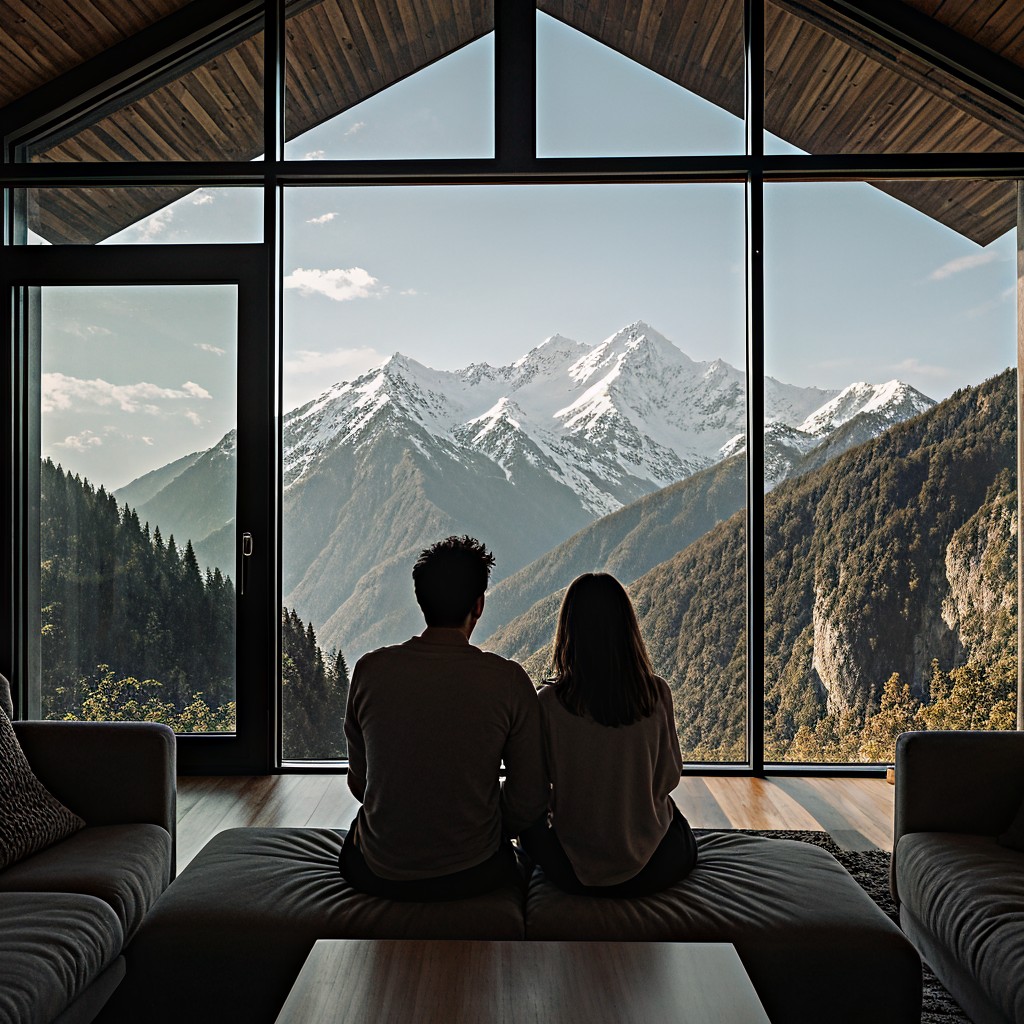
Ultra-Modern Glass Homes: Challenges and Limitations.
The "Invisible House" phenomenon refers to ultra-modern, glass-walled homes that blend into their surroundings, creating a striking yet often impractical living space. While these homes are architectural marvels, they frequently struggle to sell in the real estate market. Here’s why:
1. Lack of Privacy
Glass walls mean no visual privacy, making everyday activities (like changing clothes or relaxing) feel exposed.
Even with smart glass (which can turn opaque), buyers worry about tech failures or maintenance costs.
2. High Maintenance & Costs
Temperature control: Glass homes can turn into greenhouses in summer and lose heat in winter, leading to massive HVAC costs.
Cleaning: Keeping floor-to-ceiling glass spotless requires frequent professional cleaning (especially in dusty or rainy areas).
Specialized materials: Custom glass, steel frames, and smart systems drive up maintenance expenses.
3. Limited Buyer Pool
Ultra-modern designs appeal to a niche audience—most buyers prefer traditional or transitional styles.
Families with children or pets may avoid glass homes due to safety concerns (e.g., fingerprints, accidental collisions).
4. Security Concerns
Glass is inherently less secure than solid walls, making these homes feel vulnerable to break-ins.
High-profile buyers (celebrities, executives) often avoid them for this reason.
5. Difficult Financing & Appraisals
Banks may undervalue unconventional homes, making mortgages harder to secure.
Buyers fear resale difficulties, leading to low offers or long market stays.
6. Location Sensitivity
Glass homes work best in remote, scenic areas (mountains, forests) but struggle in urban or suburban settings.
If neighbors can see in, the appeal drops further.
Famous Examples & Market Realities
The Joshua Tree Invisible House (California) gained fame for its mirrored exterior but remains a luxury rental rather than a quick-sell property.
Philip Johnson’s Glass House (Connecticut) is iconic but was more of an art piece than a practical home.
Who Buys Them?
Architecture enthusiasts (as secondary homes or investments).
Celebrities & wealthy minimalists who prioritize aesthetics over practicality.
Developers who convert them into high-end rentals or event spaces.
While Invisible Houses are stunning and innovative, their impracticality, high costs, and limited demand make them hard to sell. They remain statement pieces rather than functional family homes—meaning sellers often wait years for the right buyer or slash prices significantly.
Visit www.epcasabyowner.com and find your dream home in El Paso, TX.