Published by Casa By Owner for military and civilian homebuyers in El Paso and Horizon City, Texas. Updated October 21, 2026.
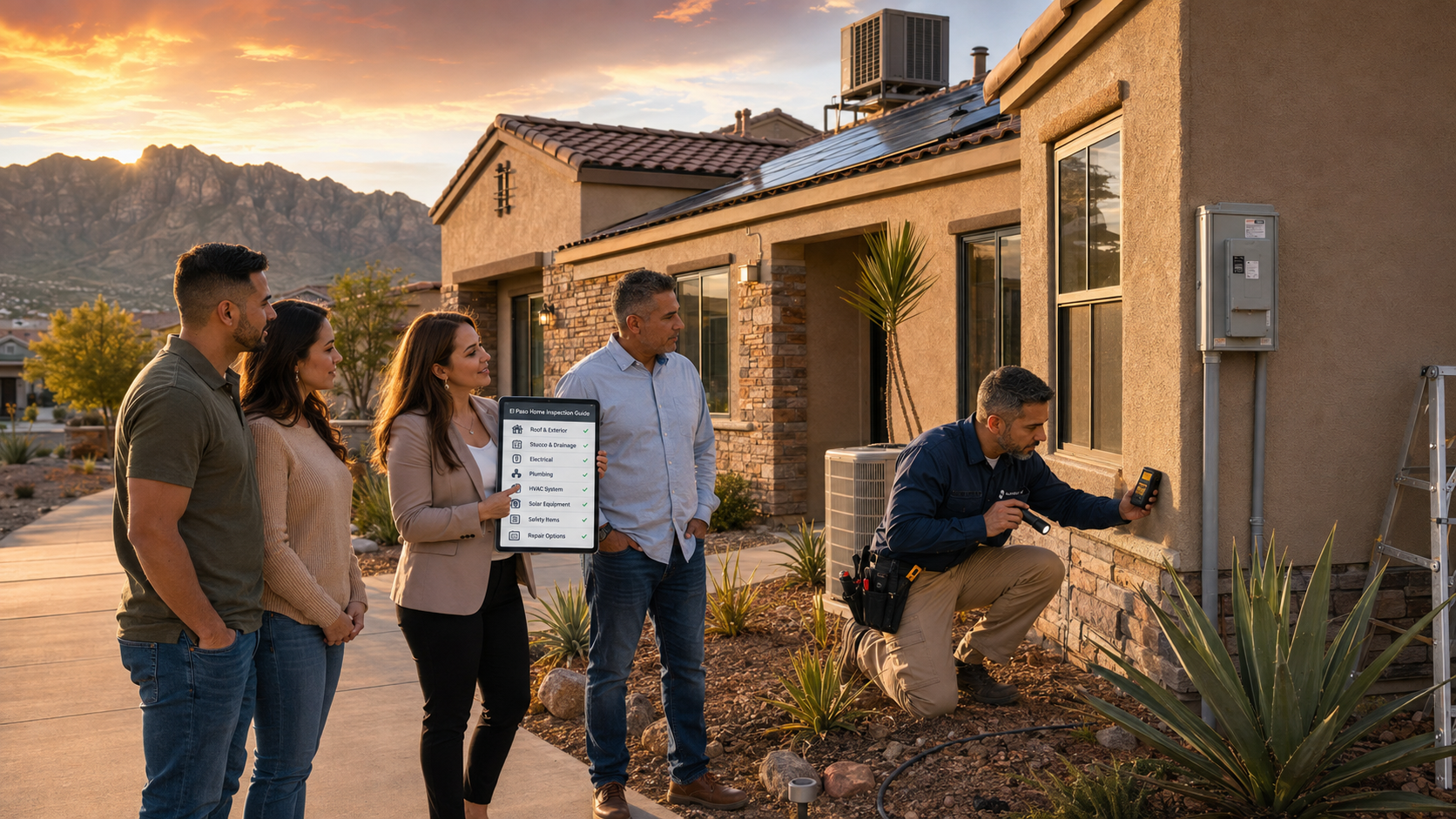
The short answer: A VA appraisal and a home inspection serve different purposes. The VA appraisal estimates the home's market value and checks whether it meets VA Minimum Property Requirements. A private home inspection examines the property's systems and components for defects and maintenance concerns. The U.S. Department of Veterans Affairs states clearly that a VA appraisal is not a home inspection, so Fort Bliss buyers should consider both.
What is the difference between a VA appraisal and a home inspection?
The VA appraisal supports the mortgage decision. A VA-assigned appraiser develops an opinion of market value and reports conditions related to VA Minimum Property Requirements, often called MPRs. The lender uses the appraisal and the resulting Notice of Value as part of the VA-backed loan process.
A home inspection is buyer-focused due diligence. The buyer hires an inspector to examine accessible systems and components and provide a written condition report. The inspection can identify defects, safety concerns, aging equipment, deferred maintenance, and areas that may need evaluation by a specialist.
| Question | VA appraisal | Home inspection |
|---|---|---|
| Main purpose | Estimate market value and address VA property requirements | Evaluate the home's visible condition for the buyer |
| Who orders it? | The lender requests it through the VA appraisal system | The buyer usually selects and hires the inspector |
| Is it required by VA? | Generally required for a VA purchase loan | No, but VA recommends that buyers consider one |
| Does it determine value? | Yes, it provides an opinion of market value | No, a standard inspection is not a valuation |
| Does it find every defect? | No | No; it is generally visual and limited to accessible areas |
The official VA Home Loan Guaranty Buyer's Guide explains that an appraisal is not a home inspection and recommends considering a qualified inspector to evaluate defects and potential maintenance issues.
What does a VA appraiser check?
A VA appraiser estimates the property's market value using the home, comparable sales, and relevant market data. The appraiser also observes whether the property appears to meet VA Minimum Property Requirements intended to help ensure that the home is safe, structurally sound, and sanitary.
The appraisal is not a code inspection, engineering report, roof certification, pest inspection, or guarantee that every system works. An appraiser may identify a condition that must be repaired or further evaluated, but the appraisal is not designed to provide the detailed component-by-component review a buyer expects from a home inspection.
When the appraisal process is complete, the lender receives a Notice of Value, or NOV. According to the VA buyer's guide, the NOV documents the estimated value and may list repairs needed to satisfy VA property requirements.
What does a home inspector examine?
A standard home inspection generally covers visible and accessible portions of major systems and components, which may include:
- Roof coverings, flashing, drainage, and visible attic conditions
- Foundation and structural components that can be observed
- Electrical service, panels, outlets, and representative fixtures
- Plumbing supply, drains, water heater, and visible leaks
- Heating and cooling equipment
- Doors, windows, walls, ceilings, floors, and stairs
- Built-in appliances and other installed systems within the inspection scope
- Site drainage, grading, attached structures, and visible exterior conditions
The exact scope depends on the inspection agreement and Texas inspection standards. Specialized evaluations may be appropriate for a roof, foundation, sewer line, pool, fireplace, solar system, environmental concern, or other condition outside a general inspector's expertise.
Does the VA require a home inspection?
No. VA guidance says a private home inspection is not required by the VA loan program, but it is recommended for buyers. The inspection gives the buyer information that the appraisal is not intended to provide.
Skipping an inspection because the home "passed VA appraisal" is a mistake in reasoning. An appraisal can satisfy the lender's valuation and MPR process while the property still has maintenance issues or defects that were outside the appraisal's purpose or not visible during the appraiser's visit.
What are VA Minimum Property Requirements?
VA Minimum Property Requirements are baseline property standards used in the VA loan process. The current VA home-buying guidance describes the appraisal as addressing market value and whether the property meets applicable requirements. Common concepts include adequate living facilities and conditions that are safe, sound, and sanitary.
An MPR-related repair is different from an optional repair requested after a home inspection. If the NOV or lender identifies a VA-required item, it generally must be resolved in a manner acceptable to the lender and VA before the loan can be guaranteed. Inspection findings that do not affect MPR compliance may still be negotiated under the sales contract, but VA does not require every inspection item to be repaired.
Which should happen first: the inspection or the VA appraisal?
In many El Paso transactions, the buyer arranges the inspection promptly after the contract becomes effective while the lender begins the appraisal process. The exact sequence depends on contract deadlines, lender timing, property access, and the buyer's decisions.
A practical order is:
- Confirm the contract's option period, inspection rights, and notice deadlines.
- Schedule the general inspection early enough to review the report before the applicable deadline.
- Order specialist evaluations quickly when the inspector recommends them.
- Decide whether to request repairs, a credit, a price change, or another permitted remedy.
- Provide property access for the VA appraiser and respond promptly to lender questions.
- Review the NOV for value and any required repairs or conditions.
- Confirm completion and documentation of agreed or VA-required work before closing.
For Texas contract timing, see Casa By Owner's current guide to the Texas option period for El Paso homebuyers.
What happens if the VA appraisal is below the contract price?
A low VA value does not automatically end the transaction. The official VA home-buying process lists several possible responses:
- Request a Reconsideration of Value: The buyer can work through the lender and provide valid market data for review.
- Renegotiate the price: The buyer may ask the seller to reduce the sales price.
- Pay the difference: If financially appropriate and approved by the lender, the buyer may bring additional funds.
- Use the VA escape clause: The clause provides a specific protection when the VA reasonable value is below the contract price.
The VA's current escape-clause guidance, updated January 14, 2026, explains that the clause is tied to a VA reasonable value below the contract price. It is not a general right to cancel for inspection concerns or any other reason. Buyers should review their contract and obtain advice from the appropriate real estate or legal professional before acting.
Can a buyer negotiate both inspection repairs and VA-required repairs?
Yes, but keep the two categories clear. Inspection negotiations arise from the contract and the buyer's due-diligence decisions. VA-required repairs arise from the appraisal and lending process. The same physical issue can appear in both, but the deadlines, documentation, and consequences may differ.
A buyer might negotiate for the seller to make repairs, provide an allowed concession, adjust the price, or take another contractually permitted approach. Some work may need to be completed and rechecked before closing, while other inspection items may be accepted by the buyer. The lender must approve any arrangement that affects the loan or closing funds.
What should Fort Bliss buyers inspect carefully?
Every home is different, whether it is in Northeast El Paso, East El Paso, Central El Paso, Horizon City, or another community used by Fort Bliss households. Buyers should base the inspection plan on the property's age, construction, additions, visible condition, disclosures, and inspector recommendations rather than assuming one checklist fits every house.
Useful questions include:
- Are roof, heating, cooling, plumbing, and electrical components functioning as observed?
- Are there visible signs of moisture intrusion, drainage problems, movement, or prior repairs?
- Were additions, conversions, solar equipment, pools, or detached structures evaluated?
- Does the inspector recommend a roofer, engineer, plumber, electrician, HVAC contractor, pest professional, or other specialist?
- Will the inspection and any specialist reports be completed before the contract deadline?
Military buyers working with a PCS timeline should build room for inspections, appraisal conditions, repair documentation, final loan approval, and closing. A report date or move date does not change the contract or lender requirements.
Frequently asked questions about VA appraisals and inspections
Does a VA appraisal guarantee that the home is in good condition?
No. A VA appraisal provides a value opinion and addresses observable MPR-related conditions. It is not a warranty, engineering analysis, or full inspection of the home's systems.
Can I choose the VA appraiser?
No. The lender requests the appraisal through the VA system. The buyer can choose the private home inspector, subject to the buyer's own qualifications and conflict-of-interest review.
Will the VA appraiser see my inspection report?
Not automatically. The appraisal and inspection are separate processes. Ask the lender and real estate professional how material property information should be provided without attempting to direct or influence the appraiser improperly.
What if the inspection finds a major problem after the appraisal?
Follow the sales contract, option-period deadlines, and lender instructions. The buyer may need a specialist report and should promptly discuss the finding with the real estate professional and lender.
Do new construction homes need an inspection if they have a VA appraisal?
A VA appraisal still does not replace an independent inspection. New homes can have incomplete work, installation issues, or warranty items. Buyers should consider phase, pre-drywall, and final inspections when available and permitted by the builder and contract.
Is the VA escape clause the same as an inspection contingency?
No. VA states that its escape clause applies when the VA reasonable value is below the contract price. Inspection and termination rights are controlled separately by the sales contract and applicable law.
Get local help with a VA home purchase in El Paso
Casa By Owner helps military and civilian buyers compare homes, coordinate contract deadlines, and understand the local steps involved in buying across El Paso and Horizon City. Read our guide to buying near Fort Bliss, review the El Paso Home Buyer Guide, or contact Casa By Owner for help planning your search and offer.
This article provides general real estate information as of October 21, 2026. VA, lender, appraisal, inspection, and contract requirements vary. Confirm current requirements with the Department of Veterans Affairs, the lender, and qualified professionals involved in the transaction.