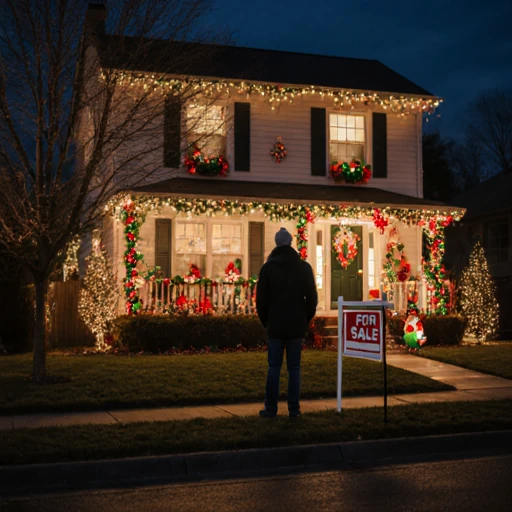
Weather and Seasons Influence Home Sales Dynamics.
While most advice focuses on the basics—like spring being the "hot" season—there are deeper, often overlooked ways weather and seasons influence home sales. Here’s a breakdown of the less-discussed dynamics:
1. Psychological Triggers Beyond "Curb Appeal"
• Seasonal Affective Buying: In colder climates, shorter days and gray skies can make buyers more impulsive—they’re eager to secure a home before winter worsens. Conversely, sunny weather makes buyers more patient and picky.
• "Cozy Factor" in Winter: Homes with fireplaces, warm lighting, and heated floors sell better in winter because buyers emotionally respond to comfort cues.
• Summer FOMO: Buyers with kids panic in late summer, fearing they’ll miss school enrollment deadlines, leading to rushed offers.
2. Weather’s Hidden Impact on Pricing & Perception
• Rain = Lower Perceived Value: Studies show homes listed during prolonged rainy periods sell for 1-2% less—buyers subconsciously associate bad weather with flaws (even if the house is perfect).
• Snow Cover’s Illusion: A light snowfall can hide landscaping flaws, but heavy snow makes buyers worry about roof stress, ice dams, and heating costs.
• Extreme Heat = Lower Foot Traffic: When temps soar above 90°F (32°C), open house attendance drops sharply—buyers don’t want to sweat while house hunting.
3. Seasonal Market Gaps Savvy Buyers/Sellers Exploit
• Post-Holiday "Motivated Seller" Window (Jan-Feb): Sellers listing in deep winter are often relocating for jobs or distressed, leading to more negotiable prices.
• Late Fall "Shadow Inventory": Some agents hold back listings in autumn expecting a spring boom, but buyers still looking in November face less competition.
• "Shoulder Season" Opportunities (Late Spring/Early Fall): Markets briefly cool between peak seasons, creating a sweet spot for fewer bidding wars but still decent inventory.
4. Climate Change’s Emerging Influence
• Buyer Migration Patterns: Rising temperatures are shifting demand—more retirees skip Florida for cooler Appalachia, while northern buyers eye Canada.
• Insurance & Mortgage Risks: After wildfires/hurricanes, lenders tighten requirements in vulnerable areas, slowing sales even in unaffected nearby markets.
• "Drought Stigma": In arid regions, brown lawns (due to water restrictions) can cut offers by 3-5%, as buyers fear future scarcity.
5. Micro-Weather Events That Move Markets
• Early Thaw Effect: An unusually warm March can jumpstart sales 2-3 weeks early, catching unprepared sellers off-guard.
• Hurricane Hangover: Coastal areas see a 10-15% sales dip for 3-6 months post-storm, even if no damage occurred—buyers get spooked.
• Pollen Season Slowdown: In high-allergy zones (e.g., Atlanta, Austin), open house traffic drops when pollen counts peak—sellers who power-wash driveways see better results.
Tactical Takeaways for Buyers & Sellers
• For Sellers:
o List just before peak season (e.g., late winter for spring) to capture early-bird buyers.
o If selling in summer, stage the backyard at dusk (fire pits, string lights) to maximize emotional appeal.
• For Buyers:
o Tour homes during mild rain to spot leaks/drainage issues most miss.
o Target holiday-adjacent weeks (e.g., July 5th, December 26th) when competition is lowest.
Weather and seasons don’t just affect when people buy—they shape how they perceive value, risk, and urgency in ways most never consider. The best strategies leverage these hidden triggers.
Visit www.epcasabyowner.com and find your dream home any season in El Paso, TX.