El Paso, TX Real Estate News & Market Trends

You’ll find our blog to be a wealth of information, covering everything from local El Paso, TX Real Estate market statistics and home values to community happenings. That’s because we care about the El Paso community and want to help you find your place in it by searching homes for sale in El Paso, TX and surrounding area. Please reach out if you have any questions at all. We’d love to talk with you!

https://www.simplifyingthemarket.com/en/feed?a=1000036167-323fd8ebb741ba20bf1b1485589ba2f4

Sept. 17, 2025

El Paso's Eastside: Family-Friendly & Rapid Growth

El Paso's Eastside: Family-Friendly & Rapid Growth.

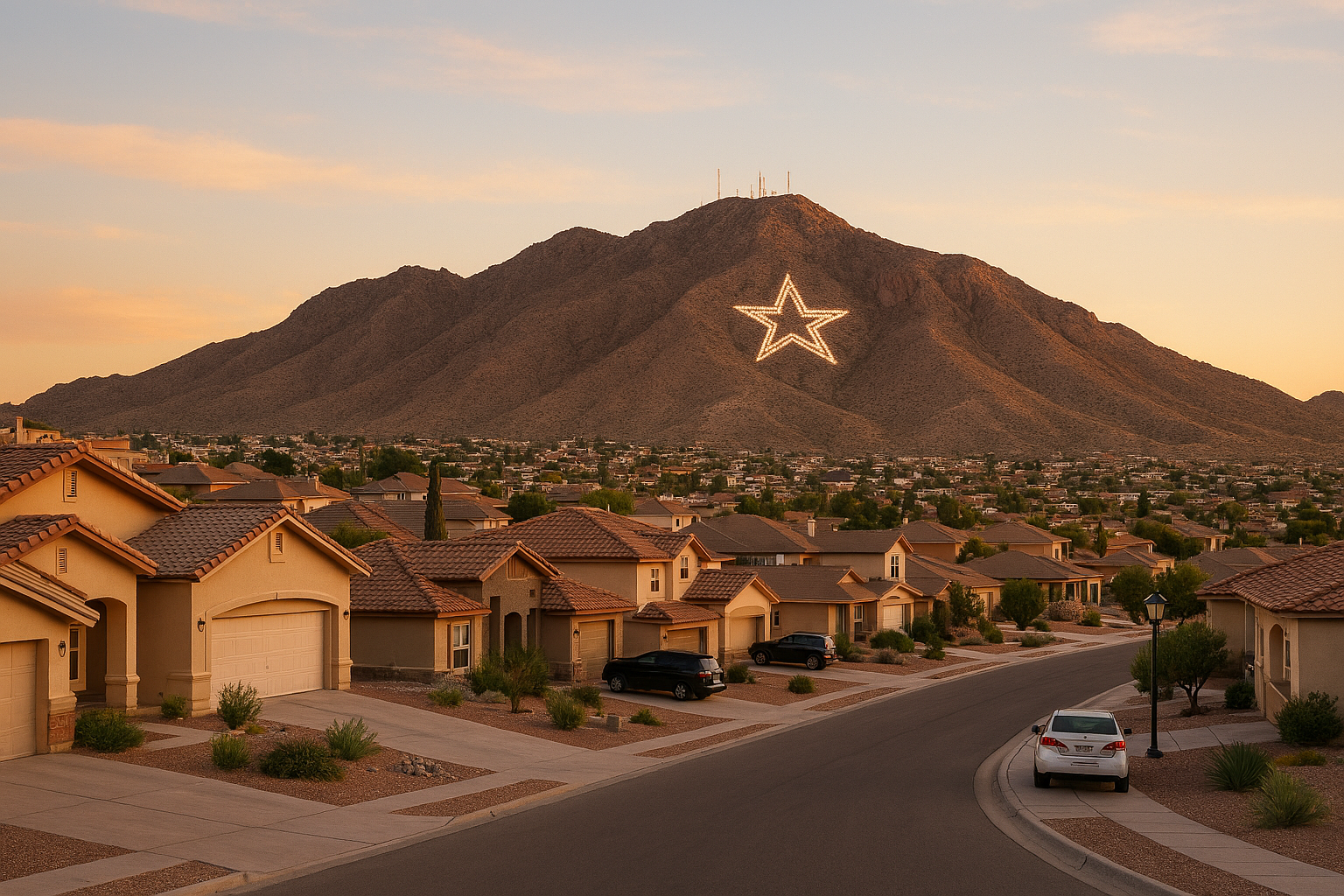
El Paso’s Eastside is the defining story of the city’s 21st-century expansion, seamlessly blending master-planned community living with explosive commercial growth. This vast area, stretching towards the Franklin Mountains and beyond, has transformed from sparse desert into a vibrant, sought-after hub for families and businesses alike, all while maintaining a distinct identity within the Sun City.

The core of the Eastside’s appeal is its intentional, family-first design. Neighborhoods are characterized by well-maintained parks, modern recreational centers, and safe, interconnected walking trails. The area is served by highly-regarded schools within the Ysleta and Socorro Independent School Districts, a primary draw for young professionals and military families from nearby Fort Bliss. New shopping centers, grocery stores, and restaurants are consistently added, ensuring convenience is never sacrificed for comfort. The community fabric is strengthened through events at parks like the popular "Pete V. Domenici Memorial" and a family-oriented atmosphere that prioritizes safety and connectivity.

This desirable quality of life has acted as a powerful engine for rapid development. The Eastside is El Paso’s undeniable growth corridor, marked by the constant construction of new subdivisions, apartment complexes, and retail plazas. Major commercial anchors like Cielo Vista Mall and the sprawling developments along Joe Battle Boulevard and Montana Avenue have created a robust, self-sufficient economy that provides ample employment and retail options, reducing the need for residents to commute across the city.

The challenge, and future focus, lies in managing this growth sustainably. Traffic congestion, particularly on key arteries like Joe Battle, is a primary concern, prompting ongoing road expansion and infrastructure projects. City planners and community leaders are tasked with ensuring that development is balanced with the preservation of natural mountain vistas and the creation of sufficient public spaces.

In essence, El Paso’s Eastside offers a compelling model of modern suburban growth in the Southwest. It successfully provides the amenities, safety, and community feel that families seek, all while embracing its role as the dynamic, expanding edge of a thriving border metropolis. It is a place where El Paso’s future is actively being built.
Visit www.epcasabyowner.com and find your dram home in El Paso, TX.Homes for sale in El Paso, TX, El Paso's Eastside: Family-Friendly & Rapid Growth
Sept. 14, 2025

El Paso Downtown Deck Plaza Taxpayer Implications
El Paso Downtown Deck Plaza Taxpayer Implications.
The Downtown Deck Plaza project is one of the most significant and debated public infrastructure projects in recent El Paso history. Here’s a breakdown of the project itself and its implications for taxpayers.
What is the El Paso Downtown Deck Plaza Project?
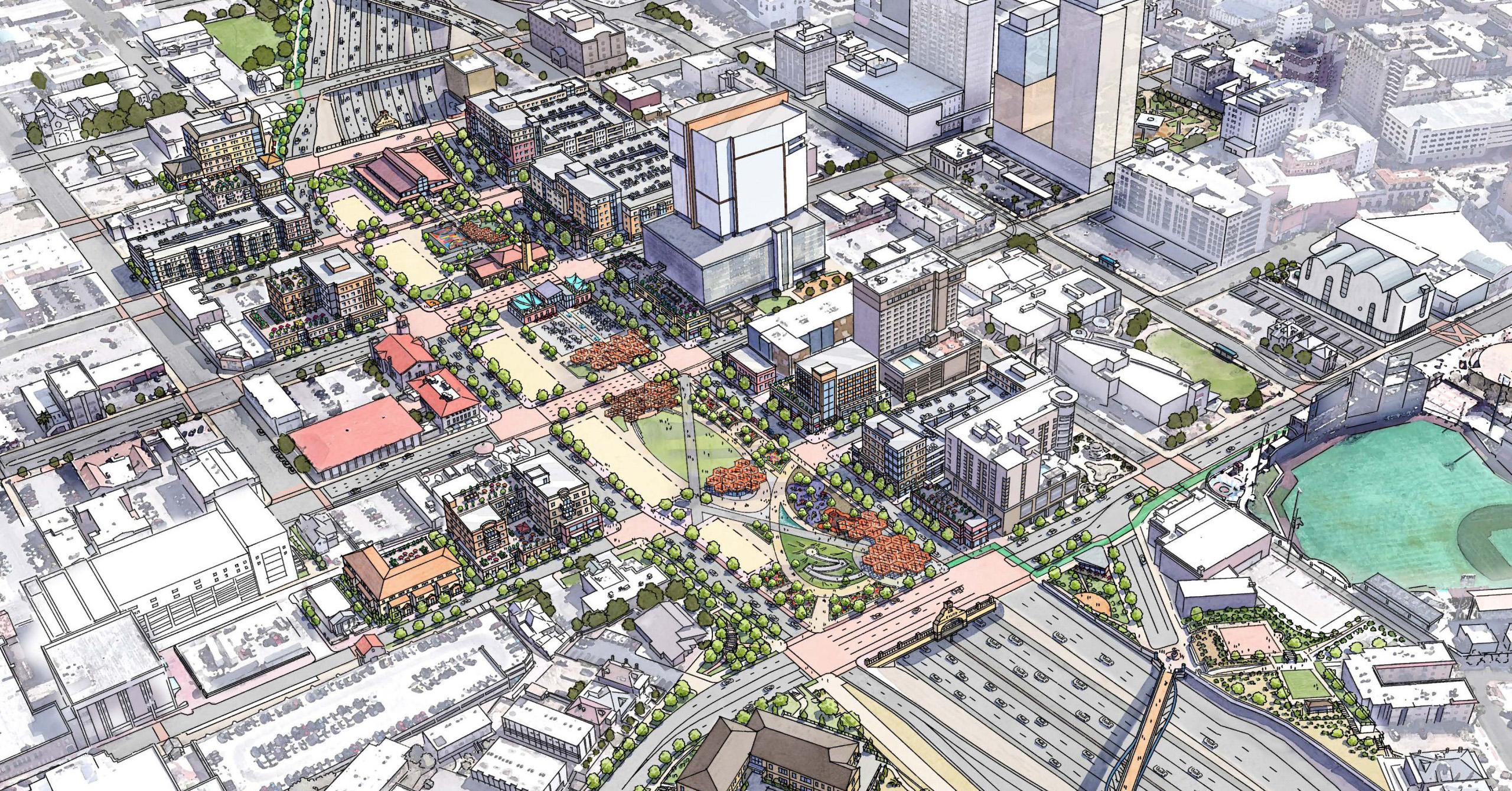
The project, officially known as the "Downtown 2015 Plan" or "Civic Center Deck Plaza," is a massive public infrastructure initiative. Its core component involves building a massive concrete "deck" or platform over a large sunken section of the I-10 freeway (between Raynolds and Santa Fe streets) that cuts through downtown El Paso.
On top of this deck, the city is creating a 6-acre public park and plaza with green spaces, walking paths, event areas, and aesthetic improvements. The goal is to "reconnect" the northern and southern halves of downtown, which were severed when the interstate was built decades ago.
Think of it as similar to the Klyde Warren Park in Dallas, which caps the Woodall Rodgers Freeway.
Key Project Components:
• The Deck: A structural concrete platform covering the freeway trench.
• The Park: A 6-acre green space on top of the deck for public use.
• Pedestrian Connectivity: Improving walkability between the El Paso Convention Center, the
Arts District, the Judson F. Williams Convention Center, and the rest of downtown.
• Economic Catalyst: The city hopes the park will spur private investment, development, and
revitalization in the immediate surrounding areas.
Implications for Taxpayers:
The implications for taxpayers are multifaceted, involving significant financial costs, potential long-term benefits, and ongoing debates.
The Financial Cost & Direct Burden.
This is the most direct implication. The project is expensive, and taxpayers are funding it.
Original Cost: Initially estimated at around $50-60 million.
Current Cost: The projected cost has ballooned to approximately $291.9 million due to inflation, design changes, and rising construction costs.
Funding Source: The project is primarily funded through voter-approved debt.
In 2012, voters passed a quality of life bond initiative, which included $180 million for "downtown improvements," with the deck plaza as its centerpiece.
The remaining funding comes from other city capital funds and a $20 million grant from the U.S. Department of Transportation (TIFIA loan).
Debt Servicing: The money from the bond is not free cash. The city must pay it back with interest over many years. This repayment comes from the city's general fund, which is primarily funded by property taxes and sales taxes. Therefore, taxpayers are directly responsible for servicing this debt.
Potential Long-Term Benefits (The "Return on Investment")
Proponents argue that while the upfront cost is high, the project will ultimately provide a positive return for taxpayers through economic development.
Increased Property Values: A more attractive and connected downtown is expected to increase property values in the surrounding area.
Higher Tax Revenue: As property values rise and new private developments (hotels, offices, apartments, retail) are built around the plaza, the city will collect more property and sales tax revenue. This new revenue can then be used to fund city services.
Job Creation: The construction phase creates jobs, and the long-term development it aims to spur would create permanent jobs.
Quality of Life: It provides a new, major public space for events, gatherings, and recreation, improving the overall quality of life, which can help attract and retain businesses and residents.
Ongoing Maintenance Costs.
A crucial implication that is often overlooked is operational and maintenance costs. The park is not free to maintain once it's built. Taxpayers will be responsible for the ongoing costs of:
Landscaping and irrigation
Security and policing
Utilities (lighting, etc.)
Repairs and upkeep
These annual costs will come out of the city's parks or general fund budget indefinitely.
Risk of Underperformance
The biggest risk for taxpayers is that the projected private development and economic boom do not materialize as quickly or as robustly as projected. If the plaza fails to attract significant new investment, the city will be left with high debt payments and maintenance costs without the corresponding increase in tax revenue to offset them. This would make it a net financial loss.
The El Paso Deck Plaza project is a bold bet by the city using taxpayer money. The implication for taxpayers is a substantial financial commitment today in the hopes of generating a stronger economic base and a better downtown for tomorrow. The ultimate judgment on whether it was a wise use of funds will depend on whether the long-term economic benefits promised by its supporters eventually outweigh the very high initial and ongoing costs.
Visit www.epcasabyowner.com and find your dream home in El Paso, TX.Homes for sale in El Paso, TX, El Paso Downtown Deck Plaza Taxpayer Implications
Sept. 11, 2025

Living in El Paso’s Westside: Upscale Living & Mountain Views

Living in El Paso’s Westside: Upscale Living & Mountain Views.

Nestled against the majestic Franklin Mountains, El Paso’s Westside offers a lifestyle that masterfully blends upscale modern living with breathtaking natural beauty. This coveted area is renowned for its pristine neighborhoods, top-tier amenities, and, most notably, its stunning, uninterrupted mountain vistas that provide a dramatic backdrop to everyday life.

The heart of Westside living is its diverse and sophisticated housing. Here, you’ll find everything from elegant custom-built homes in gated communities like Coronado Hills to luxurious low-maintenance condos and townhomes. Many properties are designed with large windows and outdoor living spaces specifically to capitalize on the panoramic views of the Franklins, turning a simple morning coffee into a serene experience.
Beyond the doorstep, the Westside is a hub of convenience and refinement. The area boasts some of the city's best shopping and dining, with destinations like The Fountains at Farah and West Towne Marketplace offering high-end retail and acclaimed restaurants. Excellent public and private schools, state-of-the-art medical facilities, and well-maintained parks make it a premier choice for families and professionals alike.
However, the true crown jewel is direct access to an active, outdoor lifestyle. Residents enjoy quick access to hiking and biking trails in the Franklin Mountains State Park, including the popular Ron Coleman Trail. The awe-inspiring views are not just a selling point but a constant companion, whether you’re commuting on Scenic Drive or watching the sunset paint the desert slopes in brilliant hues of orange and red.

Living on El Paso’s Westside is more than an address—it’s an experience. It offers a unique harmony of urban comfort and natural grandeur, providing a sophisticated and active community where the beauty of West Texas is always in view.

Visit www.epcasabyowner.com and find your dream home in El Paso, TX.Homes for sale in El Paso, TX, Living in El Paso’s Westside: Upscale Living & Mountain Views

Sept. 2, 2025

El Paso Housing Market: Balanced, Slightly Seller-Favored.

El Paso Housing Market: Balanced, Slightly Seller-Favored.
As of late 2023 and early 2024, the El Paso, TX real estate market is generally considered a balanced market or a neutral market, but with tendencies that slightly favor sellers.
This means it's not the extreme, hyper-competitive seller's market seen in 2021-2022, but it's also not a full-blown buyer's market where buyers have all the power. It's a middle ground where well-priced homes in good condition are selling, but overpriced homes are sitting on the market longer.
Key Metrics Supporting This Analysis
To understand why it's considered balanced, let's look at the data (sourced from local MLS and real estate associations):
Months Supply of Inventory (MSI): This is the most critical indicator.
What it is: The number of months it would take to sell all current homes on the market if no new listings were added.
< 4 Months of Supply: A Seller's Market (high demand, low inventory)
4-6 Months of Supply: A Balanced Market (healthy equilibrium)
> 6 Months of Supply: A Buyer's Market (high inventory, low demand)
El Paso's MSI: Has been fluctuating between 3.5 and 4.5 months. This places it right on the border, often tipping just into seller's market territory but very close to balanced.
Median Days on Market (DOM):
Homes are sitting on the market for a slightly longer period than during the peak frenzy, but not for too long. The average is around 30-45 days. This indicates that buyers are being more selective and not feeling the pressure to make impulsive offers on every property.
Sale-to-List Price Ratio:
This ratio shows how close homes are selling to their final asking price.
A ratio near or above 100% indicates a seller's market (homes selling at or above ask).
A ratio below 100% indicates buyers are negotiating discounts.
El Paso's Ratio: Is typically around 98-99%. This means most homes are selling very close to their list price, but significant bidding wars well over asking are less common than before.
Median Home Price:
Prices in El Paso, TX have remained relatively stable and have even seen slight appreciation over the past year. This is a sign of a resilient market where demand is still solid enough to prevent a major price crash, even with higher mortgage rates.
What This Means for El Pasoans
The balanced/slightly seller-favored market creates a unique dynamic for both buyers and sellers.
For Sellers:
You Still Have Leverage, But Must Be Realistic: You are not guaranteed multiple offers $50,000 over asking like in 2021. However, if you price your home competitively from the start and it's in move-in ready condition, you can expect it to sell within a reasonable timeframe and close to your asking price.
Preparation is Key: With buyers being more choosy, you need to ensure your home shows well. Small repairs, professional photography, and staging can make a huge difference in standing out from the competition.
Patience May Be Required: Be prepared for your home to be on the market for a few weeks instead of a few days. The days of "listed on Friday, 15 offers by Sunday" are largely over.
For Buyers:
More Breathing Room and Choices: You have more time to view homes, think about your decision, and compare options without the intense pressure of a frantic seller's market. You are less likely to be forced to waive inspections or make rushed decisions.
Negotiation Power Returns (A Little): While you likely won't be able to lowball significantly, there is room for negotiation, especially if a home has been on the market for over 30 days. You can ask for concessions like help with closing costs or for the seller to make repairs—things that were unheard of a couple of years ago.
Higher Mortgage Rates are a Factor: Your main challenge is no longer just competition from other buyers; it's the cost of borrowing money. Affordability is a significant hurdle, so getting pre-approved and understanding your budget is step one.
For Everyone:
Stability: A balanced market is the healthiest type of market for a community long-term. It prevents wild price swings and bubbles from forming, which protects homeowners' equity while also giving aspiring homeowners a realistic path to ownership.
The Importance of a Local Expert: In a nuanced market like this, having a knowledgeable local real Casa By Owner estate agent is more valuable than ever. They can provide hyper-local data (as the market can vary by neighborhood—e.g., the Westside vs. the Lower Valley) and guide you on precise pricing or offer strategies.
Neighborhood Variations Matter
It's important to remember that "El Paso" is not one monolithic market. The trend described is a general one, but conditions can vary:
High-Demand Areas: Certain neighborhoods, especially those with top-rated schools (like certain parts of the Westside) or unique characteristics, may still behave much more like a seller's market.
Slower Submarkets: Other areas might have a higher inventory, giving buyers even more leverage.
El Paso, TX is currently in a transitional, balanced market that slightly favors sellers. It's a market that requires both buyers and sellers to be well-informed, patient, and strategic.
Sellers can succeed if they listen to their Casa By Owner agent and price correctly.
Buyers have a better opportunity to find a home without a frenzy but must contend with higher mortgage rates. Visit www.epcasabyowner.com and find your dream home in El Paso, TX.Homes for sale in El Paso, TX, El Paso Housing Market: Balanced, Slightly Seller-Favored.
Posted in Home Market
Aug. 29, 2025

Buying Private Islands vs Micronational Declarations

Buying Private Islands vs Micronational Declarations.
This is a fascinating and complex topic that blends real estate, law, fantasy, and human ambition. Let's break down the weird world of buying private islands and declaring your own nation.
It's crucial to understand that these are two very different concepts, often confused:
Buying a Private Island: A legal real estate transaction.
Declaring a Micro-nation (Micronation): A symbolic, legal, or political act that is almost never recognized by the world.
Part 1: Buying a Private Island (The Reality)
This is the more straightforward part. When you buy a private island, you are purchasing a piece of real estate that happens to be surrounded by water.
How it Works:
It's Just Real Estate: You aren't buying a "country." You are buying land within the territorial waters and legal jurisdiction of an existing country (e.g., Canada, the Bahamas, Fiji, Sweden). The laws of that nation apply. You must get building permits, pay property taxes, and follow their regulations.
The Challenges:
Cost: Beyond the purchase price, development costs are enormous. You need to bring in everything: materials, labor, power (solar/generators), water (desalination/wells), and waste management.
Logistics: Everything is harder and more expensive. Forget Amazon Prime delivery.
Isolation: You are responsible for your own security, medical emergencies, and maintenance.
The Allure: The ultimate privacy, exclusivity, and the dream of creating your own perfect paradise, entirely tailored to your desires.
In short: Buying an island makes you a lavish landowner, not a head of state.
Part 2: Declaring a Micro-Nation (The Fantasy & The Fight)
This is where things get weird. A micronation is a political entity that claims to be an independent nation or state but is not recognized by world governments or major international organizations like the United Nations.
People declare micronations for many reasons: political protest, artistic expression, personal amusement, or as a quirky legal experiment.
How Do You Even "Start" a Micronation?
The Montevideo Convention of 1933 outlines the criteria for statehood under international law. A micronation attempts to meet these:
A Defined Territory: You need land to claim. This is where private islands often come in.
A Permanent Population: That's usually just you, your family, and maybe some friends or online "citizens."
A Government: You are probably the King, Queen, Emperor, or President.
The Capacity to Enter into Relations with Other States: This is the biggest hurdle. No real country will sign a treaty with you.
Famous Examples of Micronations:
The Principality of Sealand: Perhaps the most famous. A World War II sea fort off the coast of England. Claimed by Paddy Roy Bates in 1967. It has a fascinating history involving armed raids, a constitution, and even its own currency. It's the gold standard of micronational persistence.
The Republic of Molossia: A hilarious and beloved micronation founded by Kevin Baugh on his property in Nevada, USA. It has a space program, a navy (an inflatable boat), and its own time zone. It's primarily a fun family project and a tourist attraction.
The Principality of Hutt River: (Now defunct) Was declared by a farmer in Australia to avoid wheat quotas. It operated for 50 years as a tourist attraction before finally dissolving and paying back taxes to the Australian government.
The Conch Republic: Key West, Florida, declared itself independent from the US in 1982 as a protest against a US Border Patrol blockade. It's now a massive tourist gimmick, but it made its point brilliantly.
The "Island" Connection: Terra Nullius
The most tempting way to declare a micronation is to find Terra Nullius—land not claimed by any sovereign state. This is nearly impossible in the 21st century.
Artificial Islands: Some have tried to build structures in international waters. However, the UN Convention on the Law of the Sea (UNCLOS) states that artificial islands do not constitute territory and do not have territorial waters. They remain under the jurisdiction of the country of the builder's nationality.
Silt Islands/Shifting Sandbars: Some micronations have been declared on tiny, newly formed silt islands in rivers between borders (e.g., the Kingdom of Enclava between Croatia and Serbia). These are often legally ambiguous but are usually absorbed or ignored by the surrounding nations.
The Blurred Line: When a Private Island "Becomes" a Micronation
This is the core of the fantasy. Someone buys a private island and, as a form of theater or a serious (but futile) legal challenge, declares it independent.
Buying Private Islands vs Micronational Declarations.
The Reality Check: The moment you stop paying property taxes to the country that legally owns the island, they will take action. This could mean fines, a lien on the property, or even having your ownership revoked. If you claim sovereignty, their navy doesn't need to invade; they just need to send a tax collector and a court order.
It's a Performance: For almost all, declaring your private island a micronation is a fun gimmick. You can design flags, print passports, mint coins, and appoint your friends as ambassadors. It's a creative and social hobby, not a path to actual statehood.
Buying a private island and declaring a micronation are two separate dreams that sometimes intersect:
The Private Island is a financial and logistical challenge—a test of your wealth and ability to build a paradise within an existing nation's rules.
The Micronation is a legal and social challenge—a test of your creativity, your understanding of international law, and your ability to build a compelling narrative or community.
The allure is fundamentally human: the desire for absolute freedom, control, and the chance to leave your mark on the world by creating something entirely your own, even if the world at large never has to take it seriously. Visit www.epcasabyowner.com and find your dream home in El Paso, TX.Homes for sale in El Paso, TX, Buying Private Islands vs Micronational Declarations
Posted in Real Estate Market
Aug. 27, 2025

Reverse Walmart Effect: Real Estate Opportunities After Closure
Reverse Walmart Effect: Real Estate Opportunities After Closure.
The "Reverse Walmart Effect" is a fascinating phenomenon where the closure of a big-box store, often seen as a community loss, inadvertently creates unique and valuable real estate opportunities. Here’s a detailed explanation of how this works.
First, a Quick Recap of the Traditional "Walmart Effect"
The classic "Walmart Effect" refers to the economic impact a new Walmart store has on a community. This includes:
Lower prices for consumers due to massive economies of scale.
Job creation (though often debated in terms of wage quality).
Potential closure of small, local businesses that can't compete on price.
Increased traffic and commercial activity in the area, raising property values around the new store.
The "Reverse Walmart Effect": The Aftermath of a Closure
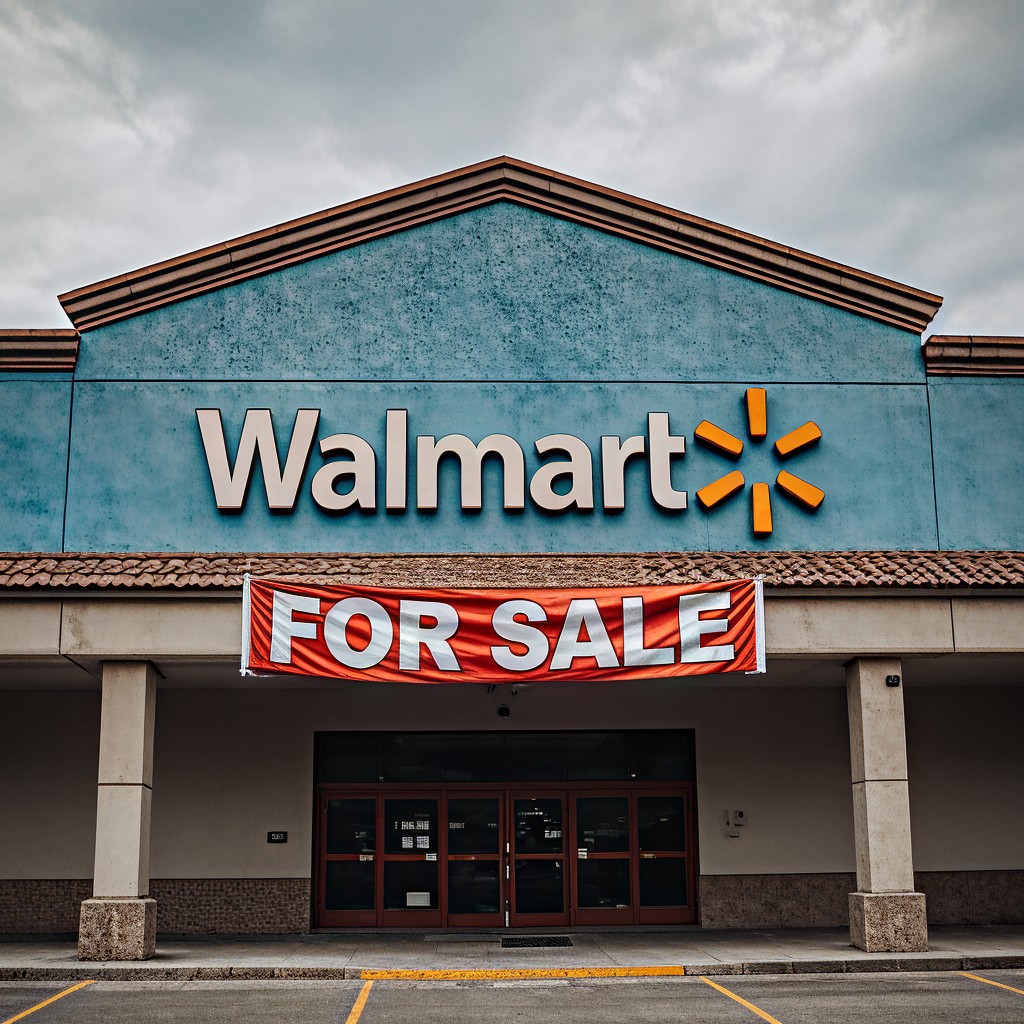
When a Walmart, Target, or other large retailer closes, the initial narrative is one of blight: job losses, a vacant building, and a drop in foot traffic. However, this vacuum sets in motion a chain of events that savvy investors, developers, and local governments can leverage.
1. The Creation of a "Blank Slate" in a Prime Location
Big-box stores are notorious for choosing excellent real estate. They select locations with:
High-traffic corridors: Major roads and intersections.
Established infrastructure: Easy highway access, ample utilities, and existing parking.
Surrounding demographics: A built-in customer base within a specific radius.
When the store leaves, this premium real estate—often 100,000+ square feet and 10+ acres of land—becomes available at a potentially discounted price. This is the core of the opportunity: a massive, well-located "blank slate."
2. Key Real Estate Opportunities Created
The opportunities generally break down into two categories: reusing the existing structure or redeveloping the entire land parcel.
A. Adaptive Reuse of the Existing Building:
This is the most common path. The giant, empty shell is reimagined for a new purpose.
Multi-Tenant Retail ("De-Densifying"): Subdividing the single large space into several smaller storefronts for other retailers (e.g., a home goods store, a gym, a discount grocer, and several smaller shops). This often creates a more diverse and resilient retail ecosystem than the single anchor tenant.
Non-Retail Repurposing:
Last-Mile Logistics & E-Commerce Fulfillment Centers: Perhaps the hottest trend. The location is perfect for companies like Amazon, FedEx, or regional distributors who need large warehouses in dense suburban areas to facilitate fast delivery.
Educational & Community Centers: Converting the space into a charter school, community college satellite campus, or a recreational facility (indoor sports complex, climbing gym).
Healthcare Hubs: Housing outpatient medical clinics, urgent care facilities, specialty surgical centers, and medical offices. The ample parking is a major plus.
Self-Storage Facilities: The large, secure, windowless buildings are ironically perfect for self-storage, a highly profitable real estate class.
B. Full Redevelopment of the Land (Demolition and Rebuild):
In some cases, the building itself is obsolete, but the land is incredibly valuable. Demolishing the structure unlocks higher-value uses.
Mixed-Use Developments: Building a combination of retail stores on the ground floor with residential apartments or offices above. This walkable, live-work-play model is highly desirable and can transform a single-use retail zone into a vibrant town center.
Densified Housing: Building townhomes, apartment complexes, or senior living facilities to address housing shortages, especially in densely populated suburbs where land is scarce.
Logistics Parks: Demolishing the store to build a modern, state-of-the-art distribution center specifically designed for e-commerce.
Why These Opportunities Are "Unexpected"
The Speed of Change: The shift from "blight" to "opportunity" can happen surprisingly quickly. While the closure is a shock, the real estate market moves fast to fill valuable voids.
Higher and Better Use: The new use is often more profitable and community-serving than the original single-tenant store. A mixed-use project with housing and retail may generate more tax revenue and economic activity than the Walmart did.
Catalyst for Wider Revitalization: A successful redevelopment of a massive vacant store can become a catalyst, spurring investment and upgrades in the surrounding shopping plaza or commercial district. It can remove a symbol of decline and replace it with a symbol of progress.
Meeting Modern Demand: The closure reflects changing retail habits (e.g., rise of e-commerce). The redevelopment opportunities are a direct response to new economic drivers: the need for housing, healthcare, experiences, and instant delivery.
Real-World Examples
Dayton, Ohio: A former Walmart was converted into a massive indoor aquarium (SeaQuest), a use that draws significant tourism.
Laconia, New Hampshire: A closed Walmart was transformed into a state-of-the-art self-storage facility.
Various Locations: Countless former Kmarts and Sears have been subdivided into multi-tenant retail spaces housing grocers like Aldi, gyms like Planet Fitness, and home goods stores like At Home.
Austin, Texas: A high-profile example where an aging mall, including its anchor stores, is being fully redeveloped into a mixed-use neighborhood with offices, apartments, and green space.
The "Reverse Walmart Effect" demonstrates the resilience of urban and suburban economies. While the closure of a major retailer is initially a negative event, it ultimately unlocks latent real estate value. It forces a reassessment of the highest and best use for a prime piece of land in a modern economy, often leading to more diverse, denser, and economically vibrant outcomes than the original single-purpose store ever could. It's a powerful lesson in creative destruction and adaptive reuse in real estate. Visit www.epcasabyowner.com and find your dream home in El Paso, TX.Homes for sale in El Paso, TX, Reverse Walmart Effect: Real Estate Opportunities After Closure
Posted in Real Estate Market
Aug. 25, 2025

The ‘Grey Gardens’ Effect: When Inheriting a Hoarder House is a Goldmine (or Nightmare?)

The ‘Grey Gardens’ Effect: When Inheriting a Hoarder House is a Goldmine (or Nightmare?).

The “Grey Gardens Effect” takes its name from the 1975 documentary Grey Gardens, which followed Edith Bouvier Beale and her daughter (relatives of Jacqueline Kennedy Onassis) living in a once-grand East Hampton mansion that had fallen into shocking disrepair, clutter, and squalor. The film showed how a prestigious estate could transform into an infamous hoarder house—while still retaining immense real estate value because of its location and history.

Today, the term is often used to describe what happens when heirs inherit a hoarder house—a property that may be packed floor-to-ceiling with belongings, trash, or even hazardous waste. The experience can swing between windfall and nightmare depending on the circumstances.

Why it Can Be a Goldmine

Hidden Value Beneath the Clutter: The property itself (land, location, structure) can still be very valuable even if the interiors look unlivable. In expensive markets, a teardown or fixer-upper can fetch millions.

Rare Finds: Sometimes heirs discover antiques, collectibles, or forgotten family wealth inside the mess.

Investor Interest: “As-is” sales often attract flippers and developers who specialize in hoarder homes. This can bring quick cash to heirs without cleanup.

Why it Can Be a Nightmare

Cleanup Costs: Professional junk removal, biohazard cleaning, and repairs can run into tens of thousands of dollars.

Structural Damage: Long-term hoarding can cause rot, mold, pest infestations, and even unsafe foundations.

Emotional Toll: Sorting through a relative’s hoard is emotionally taxing, often forcing heirs to confront family trauma and grief.

Legal and Financial Stress: Inherited houses may come with back taxes, liens, or disputes among heirs about whether to sell or restore.

The “Grey Gardens Effect” in Modern Real Estate

Perception vs. Reality: A hoarder house may look worthless, but the land value can turn it into a goldmine if located in a desirable area.

Cultural Cachet: Sometimes, the notoriety of a “Grey Gardens”-style property even increases interest, with buyers drawn to the story as much as the house.

Boom-or-Bust Outcome: The same inheritance can set up one heir for financial success—or saddle another with overwhelming debt and stress.

In short, the Grey Gardens Effect is the paradox of inheriting a hoarder home: it might be a hidden jackpot in disguise, or it might drain you emotionally and financially. Visit www.epcasabyowner.com and find your dream home in El Paso, TX.Homes for sale in El Paso, TX, The ‘Grey Gardens’ Effect: When Inheriting a Hoarder House is a Goldmine (or Nightmare?)

Posted in Home Market
Aug. 21, 2025

Real Estate Hacks for Nomadic Property Ownership

Real Estate Hacks for Nomadic Property Ownership.
This is an excellent and increasingly popular strategy. The core idea is to leverage real estate as a wealth-building asset without it tying you down to a single location.
Here’s a comprehensive explanation of the "hacks," strategies, and crucial considerations for nomads looking to own property without living in it.
The Core Concept: Separating Your Life from Your Assets
As a nomad, your primary residence is wherever you lay your hat. Your real estate investments are purely business assets designed to generate income, appreciate in value, and build your net worth remotely.
________________________________________
Strategy 1: The Traditional Rental (Buy and Rent Out)
This is the most straightforward method. You purchase a property and immediately rent it out to tenants.
• How it works: You secure financing (see below), buy a property, hire a property management company, and become a landlord from afar.
• Best for: Nomads who want a hands-off, relatively passive income stream and long-term appreciation.
• The "Hack": Using a Property Management Company. This is non-negotiable for a nomadic lifestyle. They typically charge 8-12% of the monthly rent and handle everything: finding tenants, collecting rent, coordinating repairs, and dealing with emergencies.
• Pros:
Passive Income: Generates monthly cash flow.
Appreciation: The property (hopefully) increases in value over time.
Leverage: You use a bank's money (a mortgage) to control a large asset.
Tax Benefits: Deductions for mortgage interest, depreciation, repairs, and management fees.
• Cons:
Liability: You are responsible for the property and tenants.
Vacancy Risk: No income if the property is empty.
Capital Intensive: Requires a down payment and a cash reserve for repairs.
Management Fees: Eat into your profit margin.
Strategy 2: House Hacking 2.0 (The Multi-Unit Purchase)
Traditional house hacking involves living in one unit of a multi-family property (like a duplex) and renting out the others. The nomadic version skips the "living in" part.
• How it works: You purchase a small multi-unit property (duplex, triplex, or fourplex). You rent out all units. The income from all units should cover the entire mortgage and expenses, and ideally provide cash flow.
• Best for: Nomads who want stronger cash flow from day one and can qualify for the larger loan.
• The "Hack": Financing. It's often easier to get a favorable residential loan (better rates, lower down payment) for a 2-4 unit property than for a commercial loan. You're still not living there, but the loan type is a major advantage.
• Pros:
Superior Cash Flow: Multiple income streams from one property.
Financing Benefits: Access to residential mortgage rates.
Reduced Vacancy Impact: If one unit is empty, the others still provide income.
• Cons:
Higher Purchase Price: More expensive than a single-family home.
More Complexity: More tenants, more appliances, more potential for issues.
Visit www.epcasabyowner.com and find your dream home in El Paso, TX.Homes for sale in El Paso, TX, Real Estate Hacks for Nomadic Property Ownership
Posted in Home Market
Aug. 18, 2025

Ultra-Modern Glass Homes: Challenges and Limitations
Ultra-Modern Glass Homes: Challenges and Limitations.
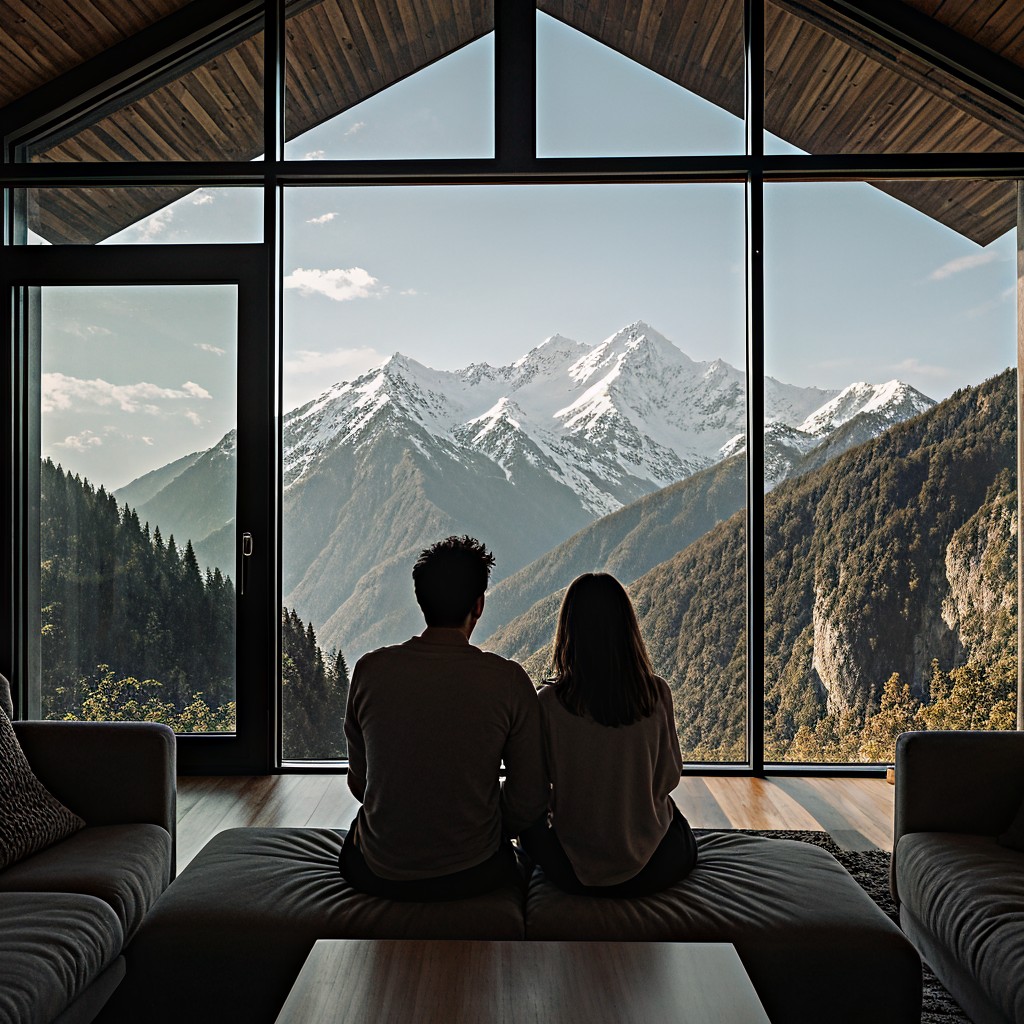
The "Invisible House" phenomenon refers to ultra-modern, glass-walled homes that blend into their surroundings, creating a striking yet often impractical living space. While these homes are architectural marvels, they frequently struggle to sell in the real estate market. Here’s why:
1. Lack of Privacy
Glass walls mean no visual privacy, making everyday activities (like changing clothes or relaxing) feel exposed.
Even with smart glass (which can turn opaque), buyers worry about tech failures or maintenance costs.
2. High Maintenance & Costs
Temperature control: Glass homes can turn into greenhouses in summer and lose heat in winter, leading to massive HVAC costs.
Cleaning: Keeping floor-to-ceiling glass spotless requires frequent professional cleaning (especially in dusty or rainy areas).
Specialized materials: Custom glass, steel frames, and smart systems drive up maintenance expenses.
3. Limited Buyer Pool
Ultra-modern designs appeal to a niche audience—most buyers prefer traditional or transitional styles.
Families with children or pets may avoid glass homes due to safety concerns (e.g., fingerprints, accidental collisions).
4. Security Concerns
Glass is inherently less secure than solid walls, making these homes feel vulnerable to break-ins.
High-profile buyers (celebrities, executives) often avoid them for this reason.
5. Difficult Financing & Appraisals
Banks may undervalue unconventional homes, making mortgages harder to secure.
Buyers fear resale difficulties, leading to low offers or long market stays.
6. Location Sensitivity
Glass homes work best in remote, scenic areas (mountains, forests) but struggle in urban or suburban settings.
If neighbors can see in, the appeal drops further.
Famous Examples & Market Realities
The Joshua Tree Invisible House (California) gained fame for its mirrored exterior but remains a luxury rental rather than a quick-sell property.
Philip Johnson’s Glass House (Connecticut) is iconic but was more of an art piece than a practical home.
Who Buys Them?
Architecture enthusiasts (as secondary homes or investments).
Celebrities & wealthy minimalists who prioritize aesthetics over practicality.
Developers who convert them into high-end rentals or event spaces.
While Invisible Houses are stunning and innovative, their impracticality, high costs, and limited demand make them hard to sell. They remain statement pieces rather than functional family homes—meaning sellers often wait years for the right buyer or slash prices significantly.
Visit www.epcasabyowner.com and find your dream home in El Paso, TX.Homes for sale in El Paso, TX, Ultra-Modern Glass Homes: Challenges and Limitations
Posted in Home sale
Aug. 15, 2025

Best Locations for Doomsday Bunkers

Best Locations for Doomsday Bunkers.

For doomsday preppers, choosing the right location for a bunker or off-grid living is critical for long-term survival. The ideal spot should offer security, self-sufficiency, and protection from potential disasters (natural, economic, or societal).

Key Factors for Choosing a Bunker/Off-Grid Location

1. Low Population Density – Fewer people = less competition for resources and lower risk of conflict.
2. Climate & Natural Resources – Access to water, fertile soil, and a temperate climate for farming.
3. Geopolitical Stability – Avoid areas prone to war, civil unrest, or heavy government/military presence.
4. Natural Disaster Risk – Avoid flood zones, earthquake faults, hurricane paths, and wildfire-prone areas.
5. Defensibility – Remote but strategically secure terrain (e.g., hills, forests, or hidden valleys).
6. Legal & Tax Benefits – Some states/countries have favorable laws for off-grid living (e.g., no building codes, low taxes)

Best U.S. Locations for Bunkers & Off-Grid Living

1. Rocky Mountains (Montana, Idaho, Wyoming)
Pros: Remote, defensible terrain, abundant wildlife, freshwater sources.
Cons: Harsh winters, limited growing season.
Best For: Long-term isolation, security.
2. Ozark Mountains (Missouri, Arkansas)
Pros: Low population, dense forests, caves for natural bunkers.
Cons: Humid summers, some flood risks.
Best For: Affordable land, hidden living.
3. Great Plains (Dakotas, Nebraska, Kansas)
Pros: Fertile soil, low population, good for farming.
Cons: Few natural barriers, extreme weather (tornadoes).
Best For: Self-sufficient homesteading.
4. Appalachian Region (West Virginia, Tennessee)
Pros: Secluded hollows, water sources, mild climate.
Cons: Poor infrastructure in some areas.
Best For: Low-cost survival retreats.
5. Desert Southwest (Arizona, New Mexico, West Texas)
Pros: Underground homes (Earthships), low population.
Cons: Extreme heat, water scarcity.
Best For: Solar power, hidden bunkers.
6. Pacific Northwest (Eastern Washington, Oregon)
Pros: Mild climate, abundant water, dense forests.
Cons: High rainfall, potential volcanic activity.
Best For: Sustainable off-grid communities.
7. Alaska (Remote Interior)
Pros: Extreme isolation, wildlife, low government oversight.
Cons: Extreme cold, difficult logistics.
Best For: Ultimate bug-out location (if prepared).

The best location depends on your threat model (economic collapse, nuclear war, pandemics, etc.). Remote mountainous regions (like the Rockies or Ozarks) are top U.S. picks, while international options like New Zealand offer extra security. Always prioritize water, food, and defensibility when selecting land.
Visit www.epcasabyowner.com and find your dream home or bunker in El Paso, TX.Homes for sale in El Paso, TX, Best Locations for Doomsday Bunkers

Posted in Home sale