El Paso, TX Real Estate News & Market Trends

You’ll find our blog to be a wealth of information, covering everything from local El Paso, TX Real Estate market statistics and home values to community happenings. That’s because we care about the El Paso community and want to help you find your place in it by searching homes for sale in El Paso, TX and surrounding area. Please reach out if you have any questions at all. We’d love to talk with you!

https://www.simplifyingthemarket.com/en/feed?a=1000036167-323fd8ebb741ba20bf1b1485589ba2f4

May 21, 2025

Renewable Energy Impact on Property Values

Renewable Energy Impact on Property Values.

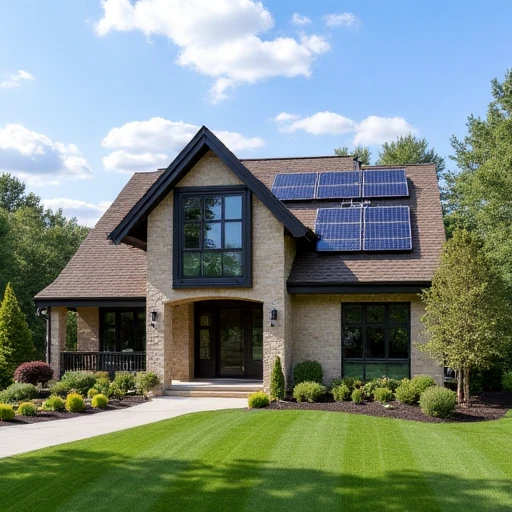
Renewable energy installations, such as solar panels, wind turbines, and geothermal systems, can influence property values and ownership in several ways. Here’s a breakdown of the key effects:

1. Positive Impacts on Property Values

  • Increased Market Value: Homes with solar panels or other renewable energy systems often sell for more than comparable properties without them. Studies (e.g., from the U.S. Department of Energy’s Lawrence Berkeley Lab) suggest solar panels can increase home values by 3-4% on average, depending on the local market.

  • Energy Cost Savings: Buyers may pay a premium for homes with lower utility bills due to renewable energy systems.

  • Appeal to Eco-Conscious Buyers: Properties with green energy features attract environmentally minded buyers, potentially speeding up sales.

2. Potential Negative Effects (Context-Dependent)

  • Aesthetic Concerns: Some buyers may dislike the look of solar panels or wind turbines, though this is becoming less common as renewables gain acceptance.

  • Wind Turbine Proximity: Large-scale wind farms near residential areas can sometimes reduce property values due to noise, shadow flicker, or visual impact, though studies show mixed results.

  • Leased vs. Owned Systems: If solar panels are leased (rather than owned outright), transfer complications could deter buyers unless the lease terms are favorable.

3. Ownership Considerations

  • Easements & Land Leases: Large renewable projects (e.g., solar or wind farms) may involve leasing part of a property, which can provide steady income but may restrict land use.

  • HOA & Zoning Restrictions: Some homeowners' associations (HOAs) or local governments have rules on solar panel placement, potentially limiting installations.

  • Maintenance & Long-Term Costs: While renewable systems generally require little upkeep, buyers may consider replacement costs (e.g., solar inverters every 10-15 years).

4. Financing & Tax Implications

  • Federal/State Incentives: Tax credits (e.g., the U.S. federal solar tax credit) can offset installation costs, indirectly boosting property value.

  • Green Mortgages: Some lenders offer better terms for energy-efficient homes, including those with renewables.

  • Property Tax Exemptions: Certain states exclude the added value of solar systems from property tax assessments.

5. Future Trends

  • Growing Demand: As energy costs rise and climate awareness increases, renewable-equipped homes may see stronger appreciation.

  • Grid Independence: Properties with battery storage (e.g., Tesla Powerwall) could become even more desirable in areas prone to power outages.

Renewable energy installations generally enhance property values, especially in markets where energy efficiency is prioritized. However, the impact varies based on system type, local regulations, and buyer preferences. If you're considering an installation, consult a local real estate expert to assess market trends in your area.Homes for sale in El Paso, TX,southwest suburban home with renewable energy installations
Posted in Home Market
May 16, 2025

Complexities of Indigenous Land Transactions

Complexities of Indigenous Land Transactions.

Real estate transactions involving Indigenous lands are highly complex due to historical, legal, cultural, and political factors. These complexities vary by country but generally include the following key issues:

1. Legal Frameworks & Land Ownership Structures
Indigenous Land Rights: Many Indigenous lands are held under collective or communal ownership rather than an individual private title, making traditional real estate transactions difficult.

Government Oversight: In some cases, Indigenous lands are held in trust by the government (e.g., U.S. Bureau of Indian Affairs), requiring federal approval for sales or leases.

2. Sovereignty & Jurisdictional Issues
Tribal or Indigenous Governance: Many Indigenous communities have their own legal systems, requiring transactions to comply with both national and tribal laws.

Non-Alienability: Some Indigenous lands cannot be sold outright (e.g., U.S. tribal trust lands can only be leased, not sold).

3. Cultural & Ethical Considerations
Sacred Sites & Environmental Stewardship: Indigenous communities may oppose development threatening culturally significant land.

Free, Prior, and Informed Consent (FPIC): Under international law (UN Declaration on the Rights of Indigenous Peoples), projects often require community approval, complicating third-party investments.

Exploitation Risks: Historically, Indigenous lands have been subject to unfair deals, leading to stricter scrutiny today.

4. Financing & Economic Barriers
Difficulty Securing Mortgages: Communal ownership and legal restrictions can make it hard for Indigenous landowners to use land as collateral.

Leasehold vs. Freehold: Many transactions are lease-based deterring long-term investors.

Limited Market Liquidity: Few buyers are familiar with Indigenous land transaction rules, reducing demand.

5. Bureaucratic & Approval Processes
Multiple Stakeholders: Transactions may require approval from tribal councils, government agencies, and even courts.

Land Claims & Litigation Risks: Unresolved disputes can delay or invalidate transactions.

Environmental & Regulatory Hurdles: Indigenous lands often face additional environmental assessments.

U.S.: Tribal trust lands require BIA approval for leases, while fee-simple lands owned by tribes have fewer restrictions.

Transactions involving Indigenous lands require careful navigation of legal systems, respect for Indigenous governance, and often lengthy negotiations. Investors and buyers must engage in meaningful consultation, understand jurisdictional nuances, and be prepared for additional regulatory hurdles compared to standard real estate deals. Failure to do so can lead to legal challenges, reputational damage, or project cancellations.
Visit www.epcasabyowner.com and find your dream home in El Paso, TX.Homes for sale in El Paso, TX,Complexities of Indigenous Land Transactions

Posted in Home Market
May 13, 2025

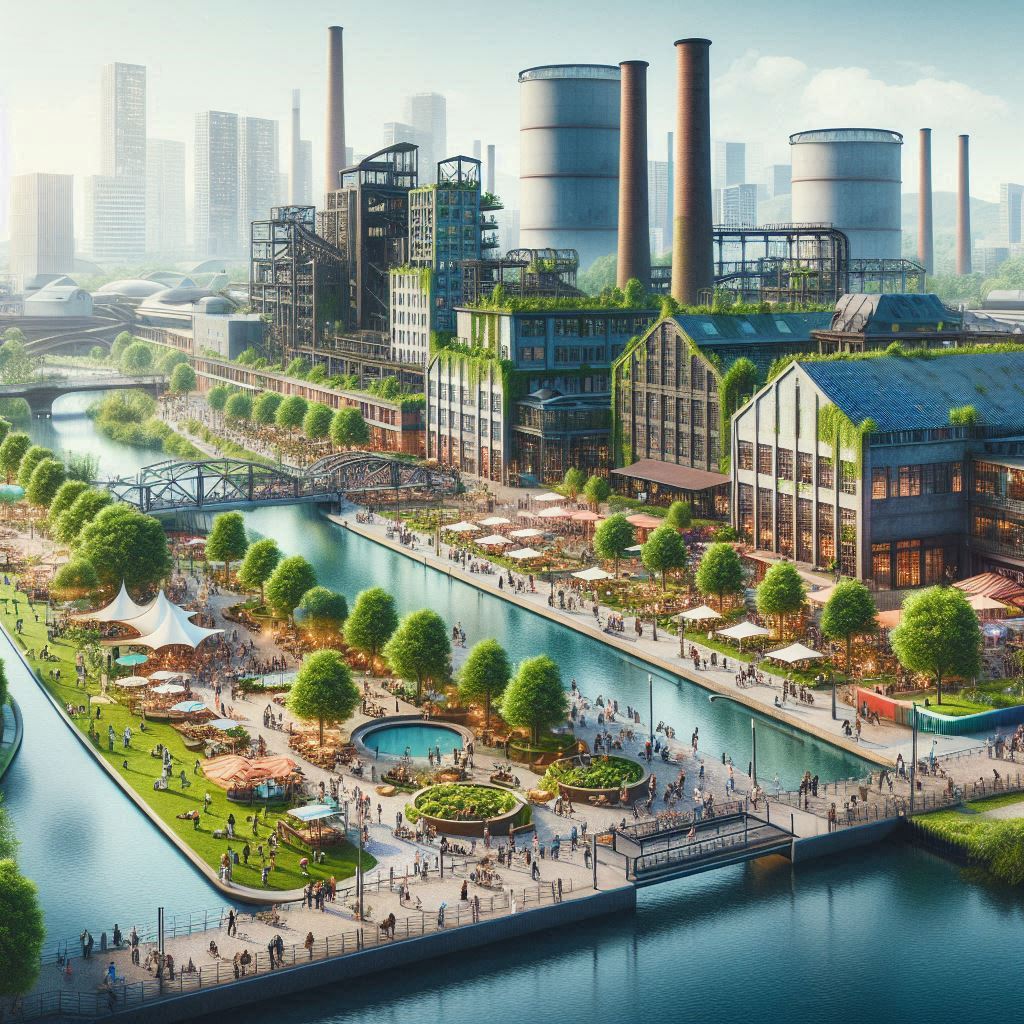
Investing in Post-Industrial Cities Challenges

Investing in cities that have experienced significant industrial decline presents a unique mix of challenges and opportunities. These cities, often called "rust belt" or post-industrial cities, face economic and social hurdles but also offer potential for revitalization and high returns for strategic investors.
Challenges:
Economic Stagnation & Job Losses:
Many such cities suffer from high unemployment due to the collapse of traditional industries (e.g., manufacturing, steel, coal).
A shrinking tax base limits public investment in infrastructure and services.
Population Decline & Brain Drain:
Younger, skilled workers often leave for better opportunities, reducing the talent pool and consumer demand.
Aging populations increase dependency ratios, straining social services.
Infrastructure Decay:
Abandoned factories, outdated transportation, and vacant properties require costly redevelopment.
Environmental contamination (brownfields) from old industries can complicate redevelopment.
Weak Local Demand & Market Perception:
Investors may perceive these areas as high-risk due to past economic struggles.
Lower property values can deter large-scale commercial investments.
Political & Bureaucratic Hurdles:
Local governments may lack resources or expertise to facilitate redevelopment.
Zoning laws and legacy liabilities (e.g., pensions) can slow progress.
Opportunities:
Low Entry Costs & High Potential ROI:
Cheap real estate allows for large-scale acquisitions at low prices.
Public-private partnerships (PPPs) and tax incentives (e.g., Opportunity Zones in the U.S.) can enhance returns.
Adaptive Reuse & Innovation Hubs:
Old industrial buildings can be repurposed into lofts, tech incubators, or cultural spaces (e.g., Detroit’s resurgence).
Universities and startups may drive new economic clusters (e.g., robotics in Pittsburgh).
Government & Philanthropic Support:
Federal/state grants (e.g., U.S. CHIPS Act, EU Structural Funds) often target declining regions.
Foundations (e.g., Rockefeller, Knight) fund urban renewal projects.
Growing Niche Markets:
Affordable housing demand attracts developers as coastal cities become unaffordable.
Green energy investments (e.g., solar/wind farms on former industrial land) align with decarbonization trends.
Cultural & Tourism Revival:
Heritage tourism (e.g., Bethlehem Steel Stacks) and creative economies (e.g., art districts) can revitalize downtowns.
Remote work trends may attract digital nomads seeking affordability.
Key Strategies for Success:
Target sectors with growth potential (tech, healthcare, logistics).
Leverage public incentives (tax abatements, grants).
Engage community stakeholders to avoid gentrification backlash.
Focus on sustainability to attract ESG-conscious capital.
Examples of Successful Turnarounds:
Pittsburgh, PA: Shifted from steel to tech (Google, Carnegie Mellon).
Bilbao, Spain: Used the Guggenheim Museum to spur tourism.
Chattanooga, TN: Invested in fiber optics to become a "smart city."
While investing in post-industrial cities carries risks, those who adopt a long-term, innovative approach can benefit from undervalued assets, incentives, and emerging economic trends. The key is balancing profit motives with inclusive growth to ensure sustainable revitalization.
Visit www.epcasabyowner.com and find your dream home in El Paso, TX.Homes for sale in El Paso, TX, Investing in post-industrial cities
Posted in Home Market
May 9, 2025

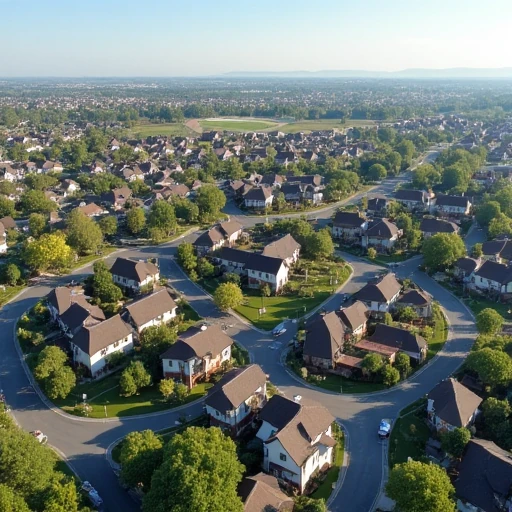
Suburban Development and Modern Real Estate Impact

Suburban Development and Modern Real Estate Impact.

Here's a concise overview of suburban development and its impact on modern real estate:

History of Suburban Development
Early 20th Century (Pre-WWII):

Suburbs began as affluent enclaves near cities, connected by railroads and streetcars.
Examples: Levittown (NY) post-WWII, mass-produced for returning GIs.

Post-WWII Boom (1950s–1960s):

Federal policies (GI Bill, highway expansion) fueled suburban growth.
White flight, racial segregation, and zoning laws shaped demographics.

Late 20th Century (1970s–1990s):

"Edge cities" emerged with office parks and malls.
Sprawl led to car dependency and environmental concerns.

21st Century Trends:

Reurbanization: Millennials/Gen Z prefer walkable urban areas.
Suburban Revival: Remote work (post-COVID) renewed demand for larger suburban homes.

Impact on Modern Real Estate
Housing Demand: Suburbs now compete with cities for affordability and space.

Mixed-Use Development: Suburban downtowns are revitalizing with urban-style amenities.

Tech & Remote Work: Home offices and high-speed internet are key selling points.

Equity Issues: Legacy segregation and zoning debates persist (e.g., ADUs, density reforms).

Suburbs evolved from exclusive retreats to mass housing, then faced decline before rebounding as hybrid live-work hubs. Modern real estate balances sprawl with sustainability and urban-like convenience.
Visit www.epcasabyowner.com and find your dream home in El Paso, TX.Home for sale in El Paso, TX, Suburban Development and Modern Real Estate Impact.

Posted in Home Market
May 5, 2025

Public Art Transforms Neighborhoods, Boosts Values

Public Art Transforms Neighborhoods, Boosts Values.

Public art installations can have a transformative impact on neighborhoods, fostering cultural vibrancy, community pride, and economic growth—often leading to increased property values. Here’s how:

1. Enhancing Aesthetic Appeal & Placemaking
Public art—murals, sculptures, interactive installations, or light displays—can turn bland or neglected spaces into visually engaging landmarks. This beautification makes neighborhoods more attractive to residents, visitors, and potential investors, increasing demand for nearby properties.

2. Creating a Sense of Identity & Community
Art that reflects local history, culture, or social themes fosters a stronger neighborhood identity. When residents feel connected to their surroundings, they’re more likely to invest in upkeep and community engagement, which indirectly boosts property desirability.

3. Driving Foot Traffic & Economic Activity
Iconic public art becomes a destination, drawing tourists and locals alike. Increased foot traffic benefits nearby businesses (cafés, shops, galleries), making the area more commercially viable. This economic uplift often leads to higher property values over time.

4. Reducing Crime & Improving Safety
Well-maintained public art can deter vandalism and crime by signaling community care and engagement. Some cities use murals and lighting installations to revitalize underused spaces, making them feel safer—a key factor in real estate appreciation.

5. Catalyzing Urban Renewal & Development
Public art often acts as a catalyst for broader revitalization efforts. Developers and city planners may use art installations to rebrand neighborhoods, attracting investment in housing, retail, and infrastructure. For example:

The "Before I Die" chalkboard walls (by Candy Chang) sparked community engagement worldwide.

Philadelphia’s Mural Arts Program transformed blighted areas into cultural hubs, increasing nearby property values.

6. Perceived Prestige & Cultural Capital
Neighborhoods with renowned public art gain cultural prestige, attracting affluent buyers and renters willing to pay a premium. A 2019 study by the Federal Reserve Bank of Philadelphia found that homes near public art saw a 4-10% increase in value compared to similar properties elsewhere.

Potential Challenges & Considerations
While public art generally benefits neighborhoods, rapid gentrification can displace long-term residents. Cities should balance art-driven development with affordable housing policies to ensure inclusive growth.

Conclusion
Public art doesn’t just decorate a neighborhood—it can redefine its economic and social trajectory. By fostering pride, attracting investment, and creating vibrant public spaces, art installations contribute to sustainable urban growth and rising property values. Visit www.epcasabyowner.com and find your dream home in El Paso, TX.Homes for sale in El Paso, TX, Public Art Transforms Neighborhoods, Boosts Values

Posted in Home Market
May 2, 2025

Real Estate in Estate Planning Strategies

Real Estate in Estate Planning Strategies.

Real estate is a key component of many estate plans due to its significant value, potential for appreciation, and the various strategies available for transferring ownership efficiently. Here’s how real estate fits into broader estate planning strategies:

1. Avoiding Probate
Revocable Living Trusts: Holding real estate in a trust allows it to pass directly to beneficiaries without probate, saving time and costs.

Joint Ownership: Adding a co-owner (e.g., joint tenancy with right of survivorship) can automatically transfer property upon death.

Transfer-on-Death Deeds (TODDs): Available in some states, these allow the property to pass directly to named beneficiaries.

2. Minimizing Estate Taxes
Annual Gift Exclusions: Gifting partial ownership (up to $18,000 per recipient in 2024) reduces the taxable estate.

Lifetime Exemption: Using the federal estate tax exemption ($13.61M per individual in 2024) to transfer property tax-free.

QLTs & GRATs: Qualified Personal Residence Trusts (QLRTs) and Grantor Retained Annuity Trusts (GRATs) can reduce taxable value while retaining the use of the property.

3. Protecting Assets from Creditors & Long-Term Care Costs
Irrevocable Trusts: Moving real estate into an irrevocable trust can shield it from Medicaid recovery and creditors.

LLCs & Family Limited Partnerships (FLPs): Holding property in these entities can provide liability protection and facilitate gifting of fractional interests at discounted values.

4. Ensuring Smooth Succession & Family Harmony
Buy-Sell Agreements: Useful for co-owned investment properties to dictate terms if an owner dies.

Life Estates: Allows the original owner to live in the property while passing ownership to heirs.

Detailed Instructions in Wills/Trusts: Prevents disputes by clearly outlining who inherits the property and under what conditions.

5. Charitable Planning
Donating Property: Can provide income tax deductions and remove the asset from the taxable estate.

Charitable Remainder Trusts (CRTs): Allows the donor to receive income from the property before it goes to charity.

6. Step-Up in Basis Benefit
Inherited real estate receives a step-up in basis to its fair market value at death, reducing capital gains taxes if sold by heirs.

Key Considerations
State Laws: Vary widely (e.g., community property states vs. common law).

Mortgages & Liens: Transferring mortgaged property can trigger due-on-sale clauses.

Family Dynamics: Unequal distributions of real estate can lead to conflicts.

Real estate should be integrated into an estate plan with tax efficiency, probate avoidance, and family goals in mind. Consulting an estate planning attorney and tax professional is crucial to tailor strategies to individual circumstances. Visit www.epcasabyowner.com and find your dream home in El Paso, TX.Home for sale in El Paso, TX, Real Estate in Estate Planning Strategies.

Posted in Home Market
April 29, 2025

The Impact of Zoning Laws on Property Values

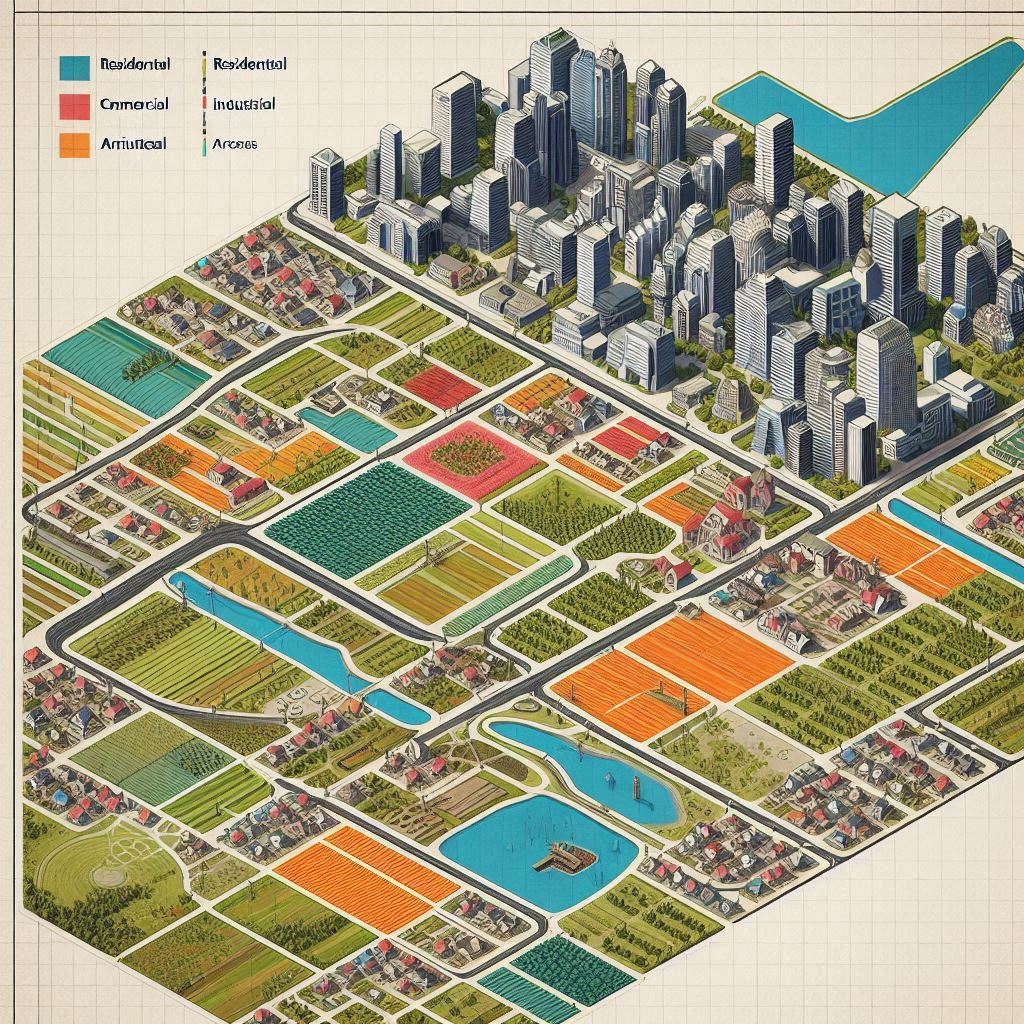
Zoning regulations play a crucial role in determining a property’s potential by dictating how land can be used, what can be built, and even its future value. Here’s how zoning laws can impact a property:


1. Restrictions on Land Use

Zoning divides areas into categories (residential, commercial, industrial, mixed-use, agricultural, etc.), which can:

·         Limit Development Options: A property zoned residential-only can’t be converted into a retail store or factory without rezoning.

·         Affect Investment Potential: A commercial-zoned lot may have higher value than a residential one due to income-generating potential (e.g., building a hotel vs. a single-family home).

·         Prohibit Certain Activities: Even if a buyer wants to run a business from home, local zoning may forbid it.


2. Density & Building Requirements

Zoning laws regulate:

·         Lot Size & Setbacks: How far a building must be from property lines.

·         Height Limits: Restricting high-rises in low-density zones.

·         Floor Area Ratio (FAR): The max buildable square footage relative to lot size.

·         Parking Mandates: Requiring a certain number of parking spaces per unit.

Impact: These rules can make a property more (or less) lucrative. For example:

·         A low-density zone may prevent a developer from building a high-profit apartment complex.

·         A high FAR allowance could increase a property’s value for developers.


3. Impact on Property Value

·         Upzoning (Increasing Density): If a city rezones an area from single-family to multi-family, land values often soar because developers can build more units.

·         Downzoning (Restricting Use): If a residential area is rezoned to limit density, property values might stagnate due to reduced development potential.

·         Historic Districts: Strict preservation rules can limit renovations but may increase prestige (and value) for certain buyers.


4. Delays & Costs of Rezoning

·         Rezoning Applications: Property owners can petition to change zoning, but the process is often lengthy, expensive, and uncertain.

·         Community Opposition: Neighbors may block rezoning efforts (e.g., "NIMBYism" against apartment buildings).

·         Conditional Use Permits: Even if a use is technically allowed, additional approvals (e.g., for a daycare in a residential zone) add hurdles.


5. Future Development & Neighborhood Trends

·         Zoning Changes Signal Growth: Areas rezoned for mixed-use or transit-oriented development (TOD) often attract investors.

·         Infrastructure Plans: Zoning aligned with new highways, schools, or public transit can boost long-term value.

·         Environmental Zoning: Wetland or floodplain restrictions can render land unusable for development.


6. Legal & Financial Risks

·         Non-Conforming Uses: If a property’s existing use no longer complies with new zoning (e.g., a store in a newly residential zone), it may be "grandfathered" but lose value if redevelopment is restricted.

·         Variances & Special Exceptions: These workarounds are time-consuming and not guaranteed.


Examples in Practice

✅ Positive: A vacant lot zoned for high-density mixed-use near a new subway line becomes a goldmine for developers.
❌ 
Negative: A homeowner wanting to subdivide a large lot finds it’s zoned for a minimum of 1-acre parcels, killing their profit plans.


How to Research Zoning for a Property

1.     Check the local zoning map (usually on the city/county website).

2.     Review the zoning code for allowed uses, setbacks, height limits, etc.

3.     Consult a real estate attorney or land-use expert for rezoning feasibility.

4.     Look for pending zoning changes in city council meetings or master plans.


Zoning can make or break a property’s potential. Savvy investors always verify zoning before purchasing to avoid surprises. Visit www.epcasabyowner and find your dream home in El Paso, TX.Homes for sale in El Paso, TX, Zoning Laws

Posted in Home Market
April 25, 2025

Legal Strategies for Real Estate Tax Minimization

Legal Strategies for Real Estate Tax Minimization.

Minimizing taxes on real estate investments legally involves strategic planning and taking advantage of tax laws. Here are some effective strategies:

1. Take Advantage of Depreciation

  • Cost Segregation Studies: Accelerate depreciation by breaking down property components (e.g., appliances, flooring) to shorten their depreciation schedules (5, 7, or 15 years instead of 27.5 or 39 years).

  • Bonus Depreciation: Under IRS Section 168(k), deduct a percentage of qualifying property costs in the first year.

2. Use 1031 Exchanges (Like-Kind Exchanges)

  • Defer capital gains taxes by reinvesting proceeds from a property sale into a similar ("like-kind") investment property within 180 days.

3. Invest in Opportunity Zones

  • Tax Deferral: Defer capital gains by investing in Qualified Opportunity Funds (QOFs).

  • Tax Reduction: Hold for 5+ years to reduce deferred gains by 10%, and hold for 10+ years to eliminate capital gains on the new investment.

4. Maximize Deductions

  • Mortgage Interest: Deduct interest on loans used to acquire or improve rental properties.

  • Operating Expenses: Deduct repairs, maintenance, property taxes, insurance, and property management fees.

  • Travel Expenses: Deduct costs related to property visits (mileage, flights, lodging).

5. Utilize Pass-Through Deductions (Section 199A)

  • If structured as an LLC or S-Corp, you may qualify for a 20% deduction on qualified business income (QBI).

6. Hold Properties Long-Term for Lower Capital Gains

  • Properties held over 1 year qualify for long-term capital gains rates (0%, 15%, or 20%) instead of short-term (ordinary income rates).

7. Installment Sales (Seller Financing)

  • Spread taxable gains over multiple years by accepting payments over time (IRS Section 453).

8. Self-Directed IRAs or Solo 401(k)s

  • Invest in real estate through retirement accounts to defer or eliminate taxes on rental income and gains.

9. Deduct Home Office & Professional Fees

  • If managing real estate as a business, deduct home office expenses, legal fees, and accounting costs.

10. Gift or Inherit Property for Stepped-Up Basis

  • Heirs receive a stepped-up basis, eliminating capital gains on appreciation before inheritance.

11. Invest in REITs (Real Estate Investment Trusts)

  • REIT dividends may qualify for a 20% pass-through deduction (Section 199A).

12. Charitable Remainder Trusts (CRTs)

  • Defer capital gains by donating property to a CRT and receiving income over time.

Important Considerations:

  • Always consult a CPA or tax attorney to ensure compliance.

  • Tax laws change (e.g., TCJA 2017 provisions may sunset in 2025), so stay updated.Homes for sal in El Paso, TX, Legal Strategies for Real Estate Tax Minimization

Posted in Home Market
April 15, 2025

Blockchain Transforming Real Estate Investment

Blockchain Transforming Real Estate Investment

(A blockchain is a decentralized, digital ledger that records transactions across many computers in a way that ensures security, transparency, and immutability (tamper-proofing).) Blockchain technology is revolutionizing real estate investment by increasing transparency, reducing costs, and improving efficiency. Here’s how:

1. Tokenization of Real Estate Assets
Fractional Ownership: Blockchain enables the division of properties into digital tokens, allowing investors to buy fractions of high-value assets with lower capital.

Increased Liquidity: Tokenized real estate can be traded on secondary markets, making it easier to buy and sell without traditional lengthy processes.

2. Smart Contracts for Automated Transactions
Self-Executing Agreements: Smart contracts automatically enforce terms (e.g., payments, transfers) when conditions are met, reducing the need for intermediaries like lawyers and escrow agents.

Faster Closings: Transactions that once took weeks can be completed in minutes with blockchain-based contracts.

3. Enhanced Transparency & Security
Immutable Records: Property titles and transaction histories stored on a blockchain are tamper-proof, reducing fraud and disputes.

Public Ledger Verification: Buyers and investors can verify ownership, liens, and historical data in real time.

4. Lower Transaction Costs
Reduced Middlemen: Eliminating brokers, notaries, and banks cuts fees significantly.

Cross-Border Investments: Blockchain facilitates global transactions without currency exchange hassles or excessive transfer fees.

5. Improved Due Diligence & Compliance
KYC/AML Automation: Blockchain can securely store and verify investor identities, streamlining regulatory compliance.

Auditable History: Every transaction is recorded, making audits simpler for tax and legal purposes.

6. Decentralized Marketplaces
Peer-to-Peer (P2P) Trading: Platforms like RealT and Propy allow direct property sales via blockchain, bypassing traditional listing services.

24/7 Global Access: Investors worldwide can participate in markets previously restricted by geography or bureaucracy.

Challenges & Considerations
Regulatory Uncertainty: Governments are still adapting laws to blockchain-based real estate.

Adoption Barriers: Traditional real estate players may resist decentralization.

Technology Risks: Smart contract bugs or security vulnerabilities could pose risks.

Future Outlook
As blockchain matures, expect more institutional adoption, standardized regulations, and hybrid models combining DeFi (Decentralized Finance) with real estate, such as mortgage lending via crypto-collateral. Visit www.epcasabyowner.com and find your dream home in El Paso, TX.Homes for sale in  El Paso, TX, Blockchain

Posted in Home Market
April 10, 2025

Restoring Heritage Properties.

Challenges of buying and restoring heritage properties.

Buying and restoring heritage properties can be a rewarding endeavor, but it comes with significant challenges. Here are some key issues to consider:

1. Legal and Regulatory Hurdles
Heritage Designations: Many heritage properties are protected by local or national preservation laws, restricting modifications.

Permits & Approvals: Renovations often require approval from heritage committees, leading to delays and added costs.

Restoration Standards: Strict guidelines may dictate materials and techniques, limiting modern upgrades.

2. High Costs & Financial Risks
Purchase Price: Heritage homes in prime locations can be expensive due to their historical value.

Restoration Expenses: Specialized materials (e.g., reclaimed wood, traditional masonry) and skilled craftsmen drive up costs.

Unforeseen Issues: Hidden structural problems (e.g., rot, foundation issues, outdated wiring) can escalate budgets.

3. Structural & Maintenance Challenges
Aging Infrastructure: Many heritage properties have outdated plumbing, electrical systems, or weak foundations.

Energy Inefficiency: Original single-pane windows, poor insulation, and drafty structures may require costly upgrades.

Preservation vs. Modernization: Balancing historical authenticity with modern comforts (e.g., HVAC, kitchens) can be difficult.

4. Insurance & Financing Difficulties
Higher Premiums: Insurers may charge more due to restoration risks and replacement costs of period features.

Limited Mortgage Options: Some lenders are hesitant to finance heritage properties due to their specialized nature.

5. Resale & Market Limitations
Niche Buyers: The pool of interested buyers may be smaller, affecting resale potential.

Restricted Modifications: Future owners may face the same renovation constraints, deterring some investors.

6. Emotional & Time Commitment
Lengthy Projects: Restorations can take years, requiring patience and sustained investment.

Community & Heritage Oversight: Local historical societies or neighbors may oppose changes, adding bureaucratic hurdles.

Tips for Success:
Work with heritage specialists (architects, contractors).
Secure financing tailored to historic properties.
Research grants/tax incentives for preservation.
Conduct thorough inspections before purchasing.

While restoring a heritage property can preserve history and create a unique home, it demands careful planning, deep pockets, and a passion for preservation. Visit www.epcasabyowner.com and find your El Paso, TX, home dream. Homes for sale in El Paso, TX, Heritage homes

Posted in Home Market